About
Afghanistan remains under immense pressure. Decades of conflict have left infrastructure in ruins and communities struggling to meet basic needs. While the international community has largely scaled back its presence, politically, financially, and diplomatically, the Dutch Relief Alliance and its Afghanistan Joint Response partners continue to operate on the ground.
The Dutch Relief Alliance Afghanistan Joint Response (AFJR) is a consortium of five international NGOs and eight local and national NGOs. It works in partnership with the Netherlands’ Ministry of Foreign Affairs. In 2025 alone, it reached over 330,000 people with life-saving interventions and services. Jointly, organisations implement an integrated, multi-sectoral intervention in Health, Food Security & Livelihoods, Multi-Purpose Cash, Water, Sanitation & Hygiene. Primary healthcare, water, sanitation, cash support, and vocational training, amongst others, are provided to affected populations, prioritising vulnerable groups, including the elderly, people with disabilities, women and children.
The Dutch Relief Alliance Afghanistan Joint Response (2024-2026) shows what coordinated, multi-sector and coordinated humanitarian support can achieve. In a context where many feel forced to leave, these programmes support people to stay and stand on their feet. They preserve dignity, reduce harmful coping strategies, and open meaningful pathways forward. The impact may be fragile, but it is real.
This interactive website offers a window into the work of the Dutch Relief Alliance and its partners in Afghanistan. It highlights selected activities and showcases results the joint response has achieved in the communities that have received humanitarian assistance through the Dutch Relief Alliance programme. The stories, testimonials and video footage were gathered in Afghanistan in December 2025.
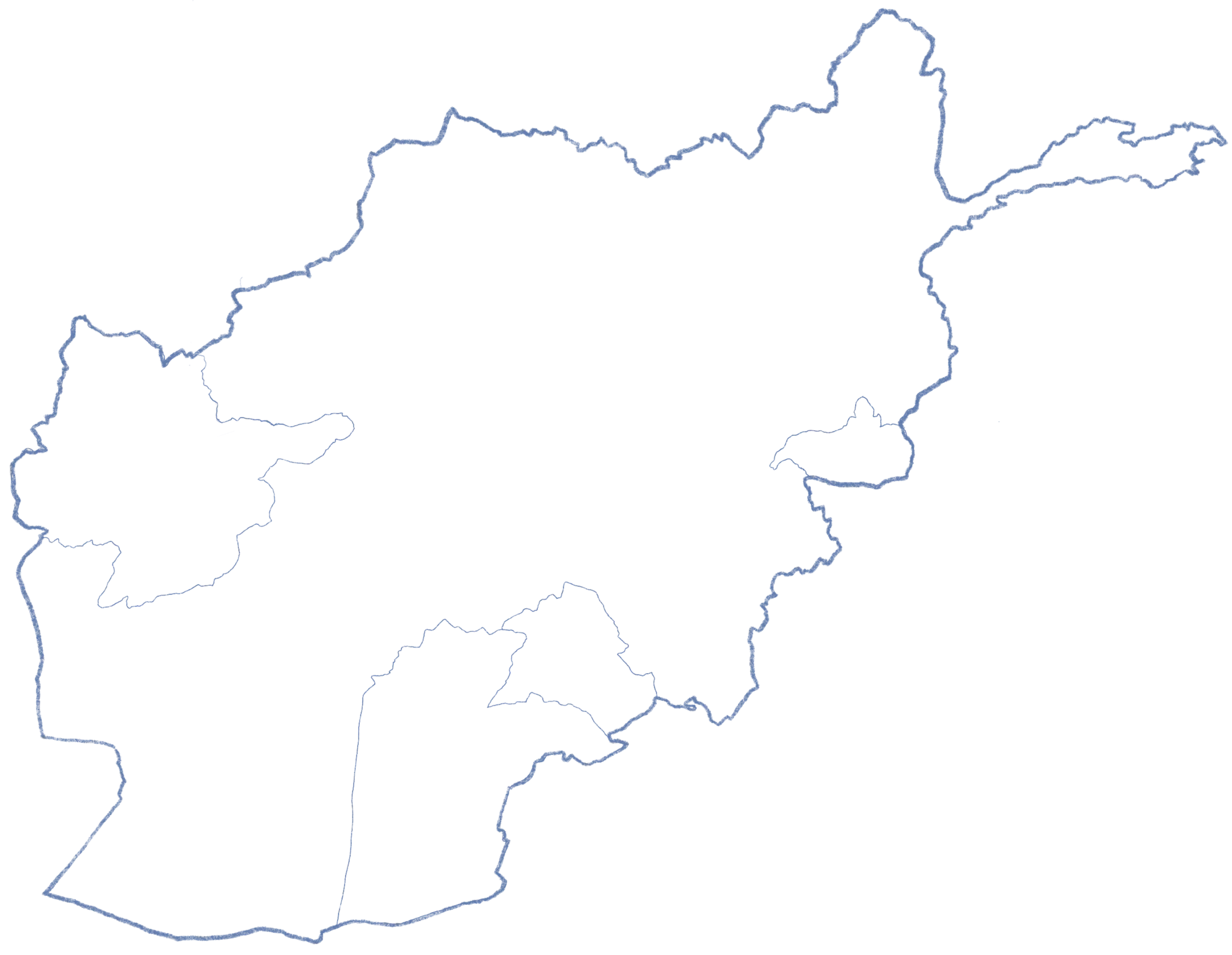
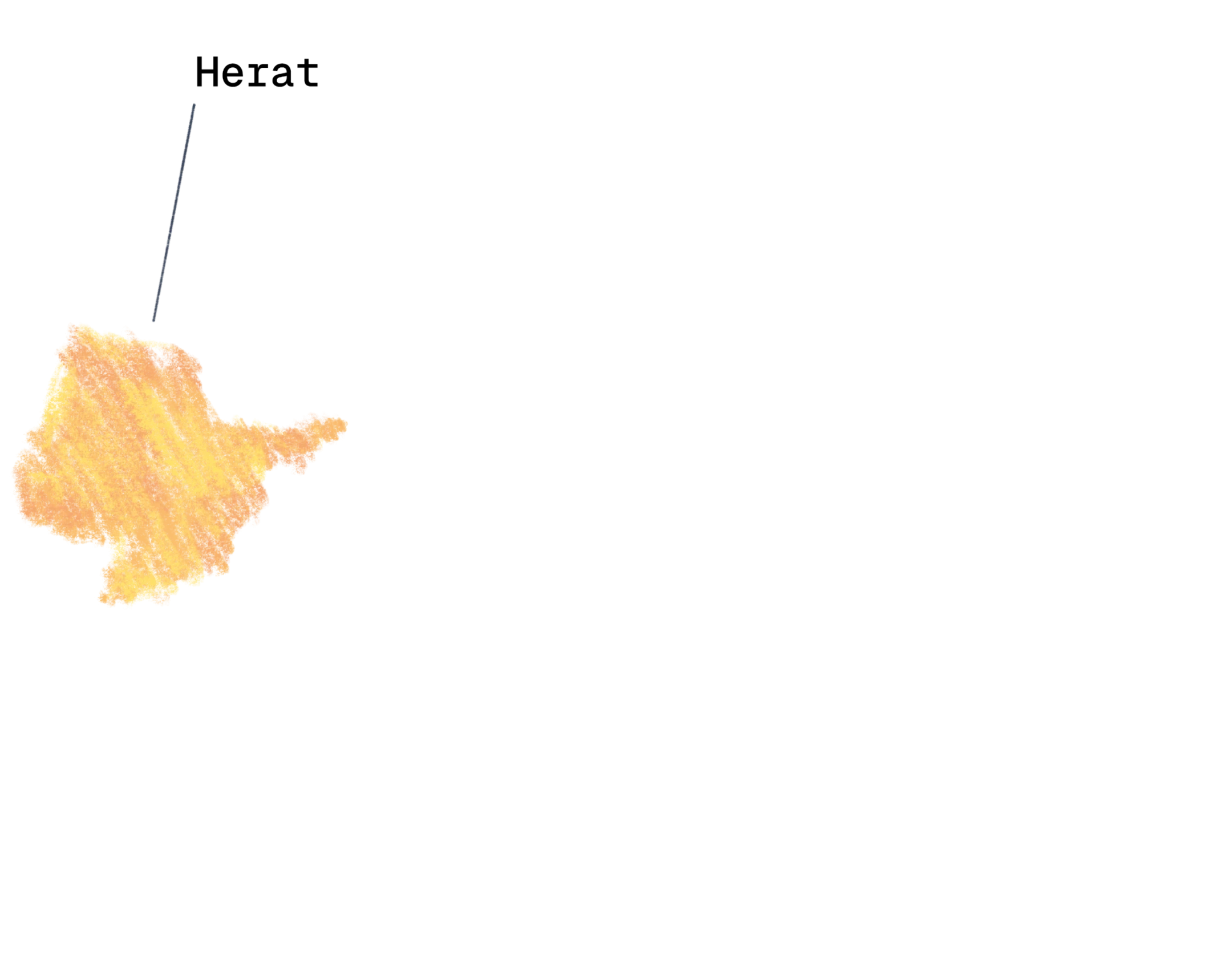
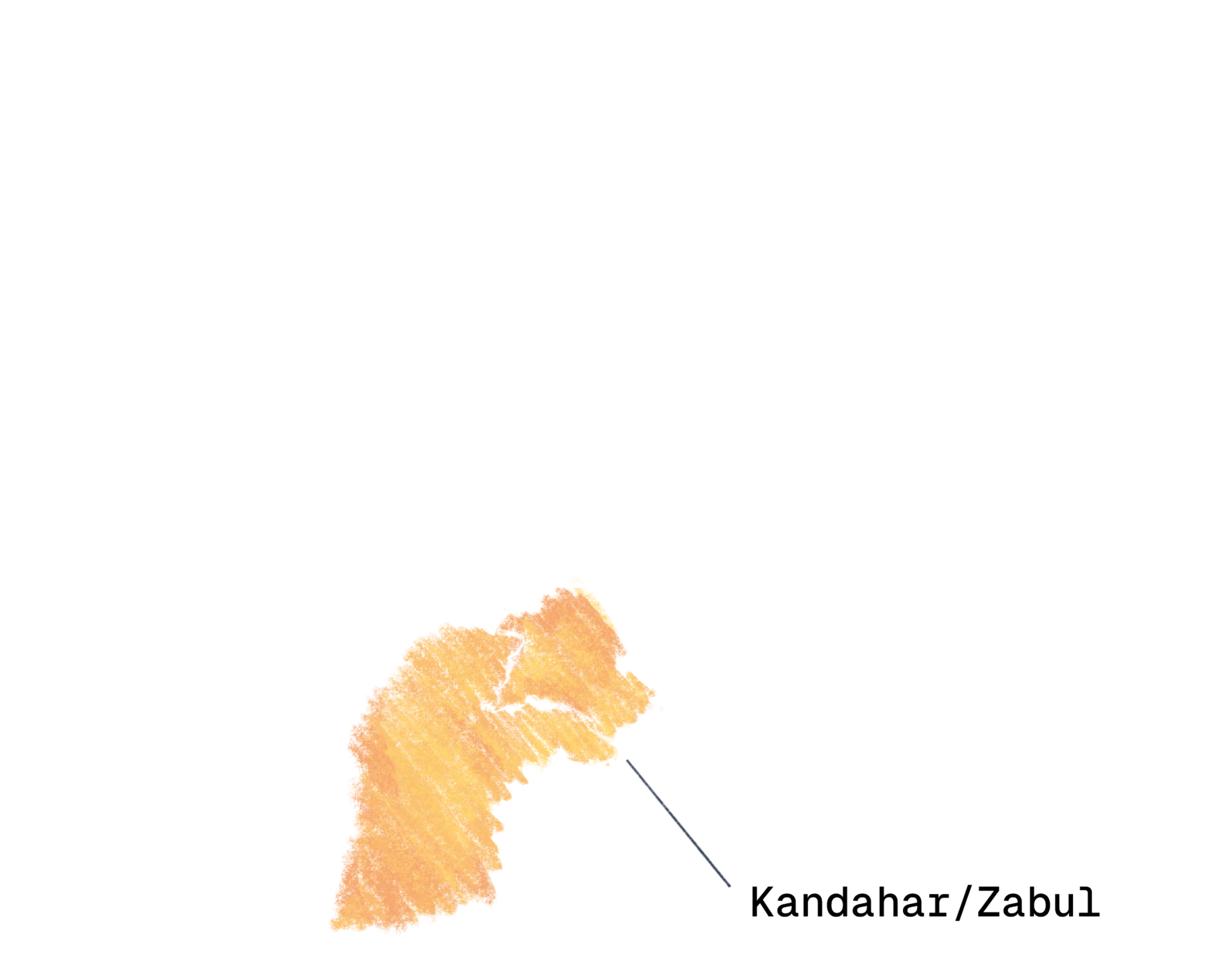
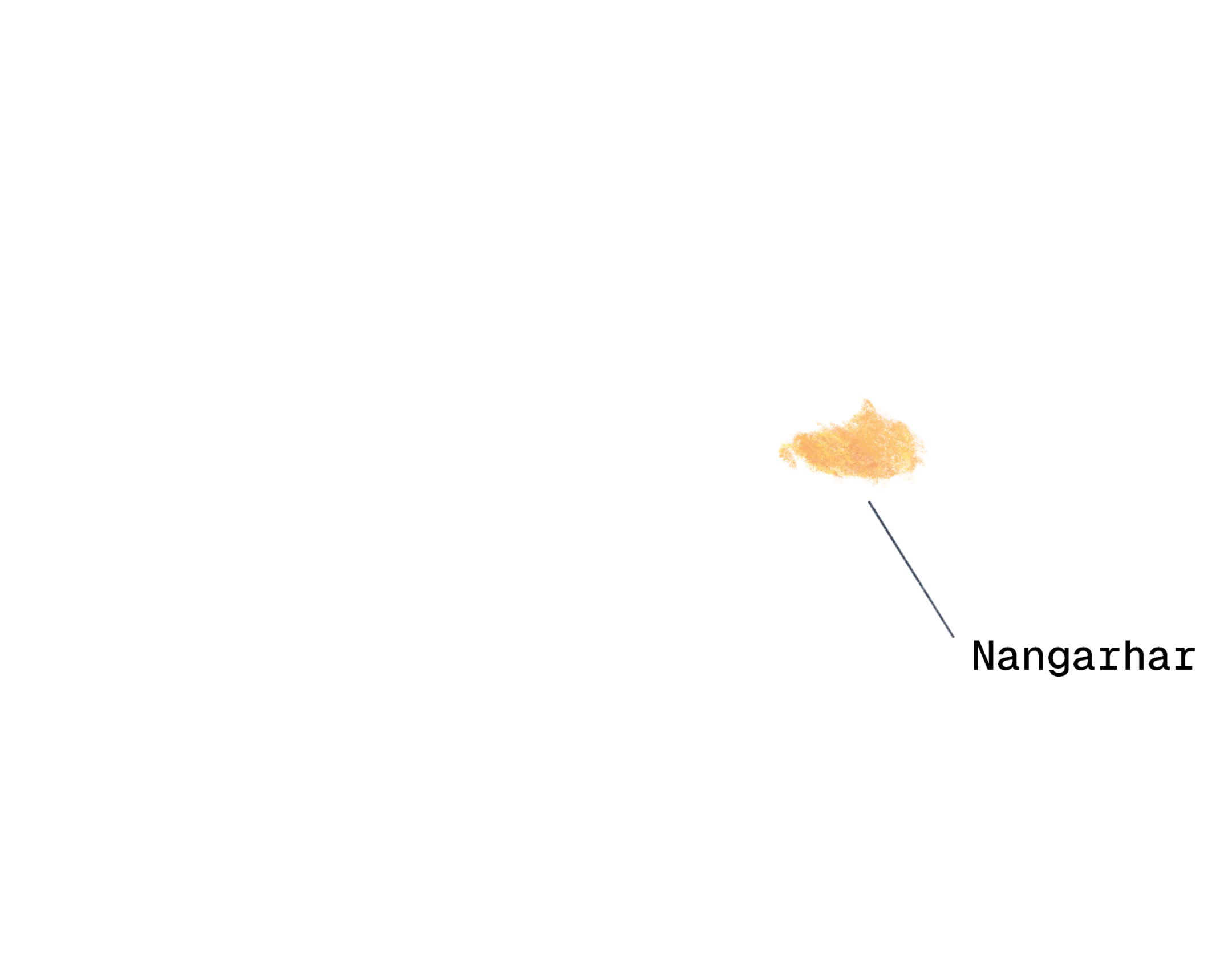
A selection of activities in Nangarhar Province
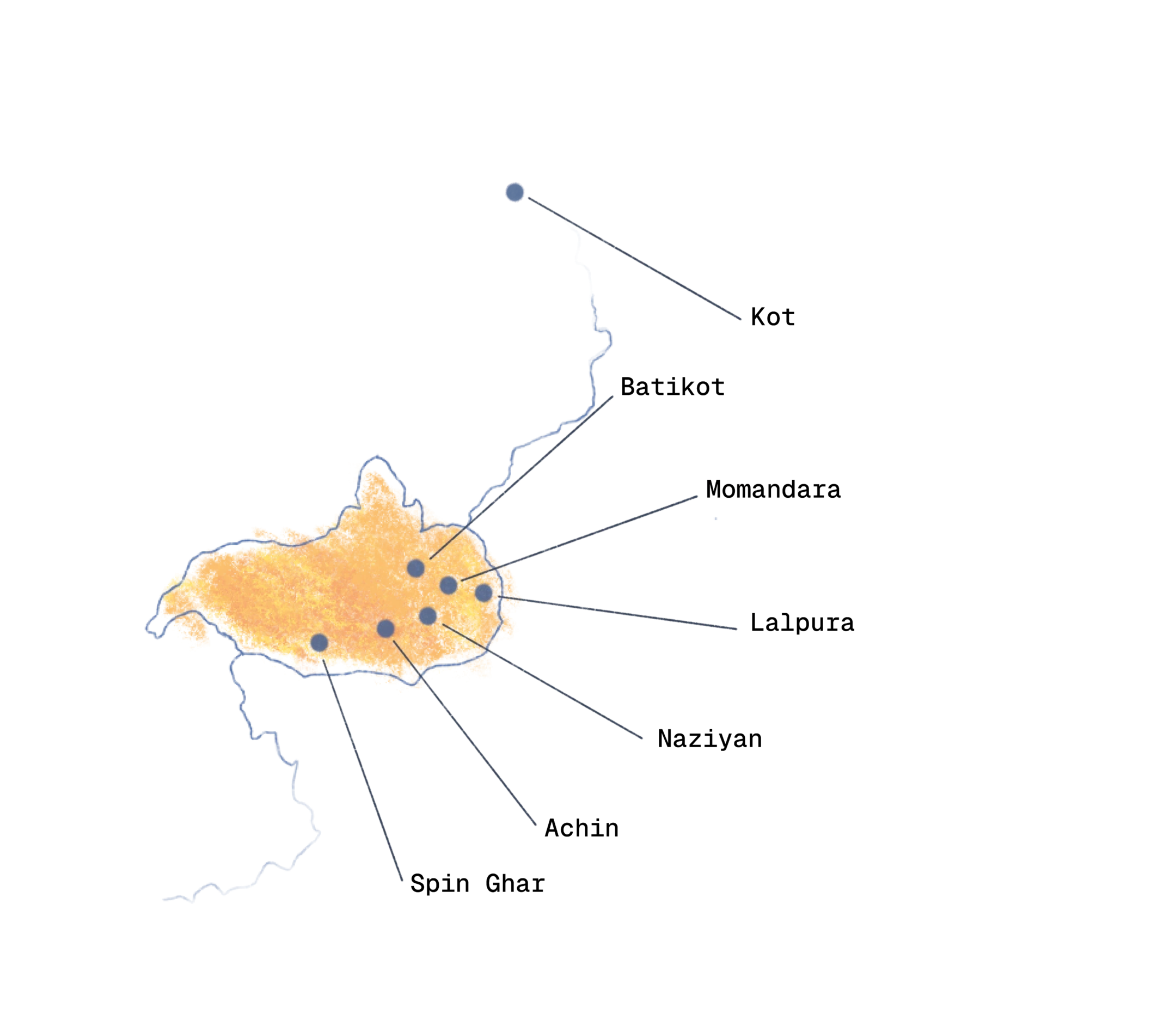
Kot:
- Primary healthcare consultations.
- Cash support for vulnerable households.
- Vocational training to support income generating activities.
- Training to farmers.
- Hygiene promotion sessions.
Batikot:
- Cash-for-work programmes for vulnerable households.
- Toolkits and vocational training to support income generating activities.
- Cash support for vulnerable households.
- Maternal healthcare by skilled midwives.
- Distribution of hygiene and dignity kits.
Momandara:
- A solar powered water point for water provision.
- Toolkits and vocational training to support income generating activities.
- Cash support for vulnerable households.
- Distribution of hygiene and dignity kits.
- Promotion of good hygiene practices.
Lalpura:
- Distribution of hygiene and dignity kits.
- Primary healthcare consultations.
- Cash support for vulnerable households.
- Vocational training to support income generating activities.
- Training to farmers.
Naziyan:
- Hygiene promotion sessions.
- Primary healthcare in the health facilities.
- Cash support for vulnerable households.
- Vocational training to support income generating activities.
- Livelihood support for people contributing to community works.
Achin:
- Toolkits to support income generating activities.
- Hygiene promotion sessions.
- Cash support for vulnerable households.
- Resources for protection and rebuilding livelihood assets.
- Training to farmers.
Spin Ghar:
- Cash support for households of children suspectable to child exploitation.
- Training to farmers.
- Vocational training to support income generating activities.
A selection of activities in Herat Province
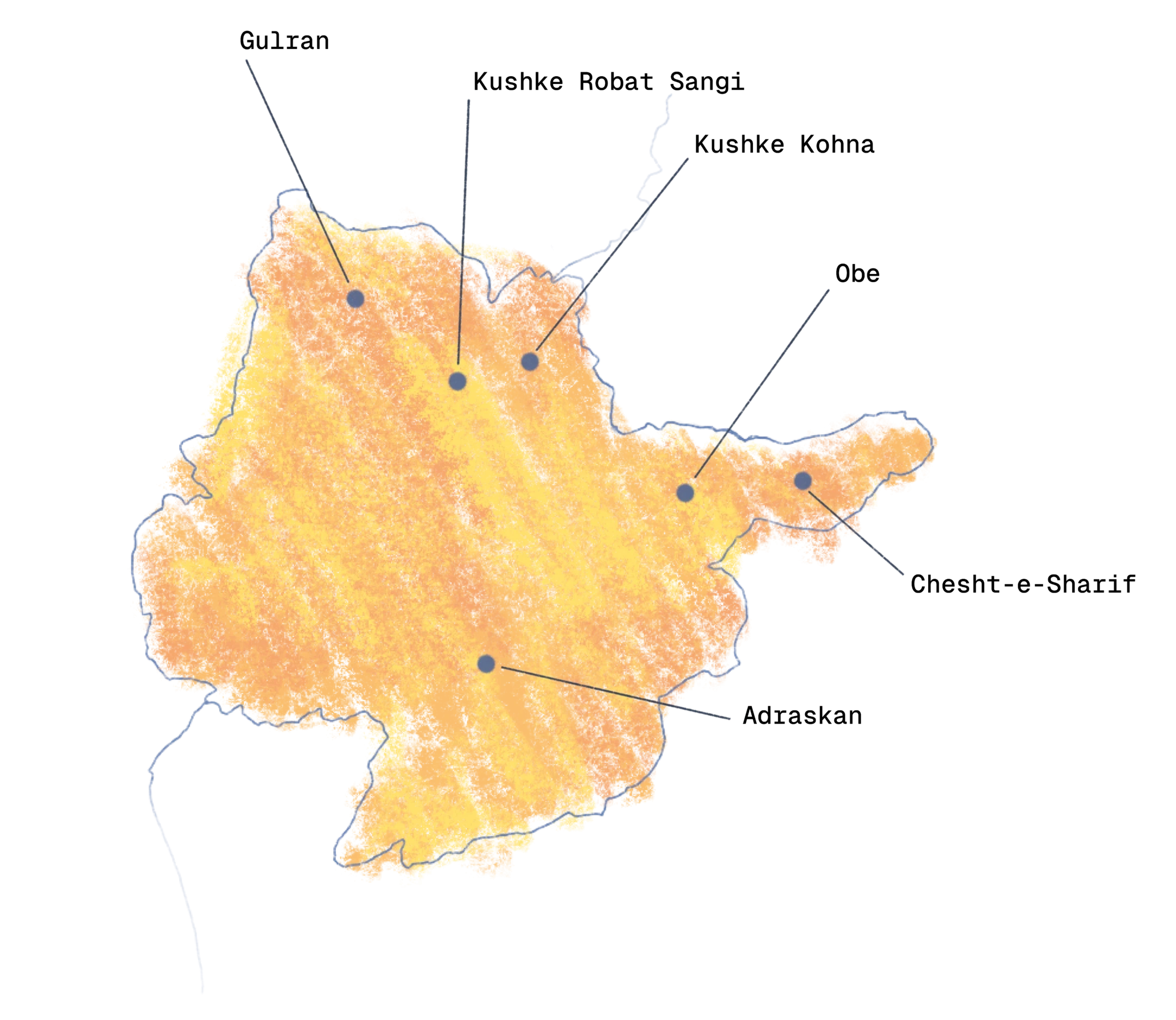
Gulran:
- Cash-for-work programmes for vulnerable households.
- Training for basic animal husbandry services.
- Provision of reproductive health services, mental health consultations and primary healthcare.
- Training for health workers to treat malaria and diarrhoea.
- Construction and rehabilitation of sanitation facilities for families.
Kushke Robat Sangi:
- Training to farmers.
- A solar powered water point for water provision.
- Counselling sessions by psychosocial support counsellors.
- Provision of reproductive health services and maternal health consultations.
- Rehabilitation of a basic health centre.
Kushke Kohna:
- Training for basic animal husbandry services.
- Cash-for-work programmes for vulnerable households.
- Child protection awareness sessions.
- Training for health workers to treat malaria and diarrhoea.
- Construction and rehabilitation of sanitation facilities for families.
Obe:
- Rehabilitation of health facilities.
- Provision of reproductive health services, mental health consultations, and primary healthcare.
- Screenings for under nutrition.
- Distribution of hygiene and dignity kits.
- Promotion of good hygiene practices.
Chesht-e-Sharif:
- Screenings for under nutrition
- Provision of reproductive health services and primary healthcare.
- Promotion of good hygiene practices.
- Construction and rehabilitation of sanitation facilities for families.
- Training for basic animal husbandry services.
Adraskan:
- Provision of reproductive health services and maternal health consultations, and primary healthcare.
- Pre and postnatal care.
- Screenings for under nutrition.
- Rehabilitation of health facilities.
- Training for basic animal husbandry services.
A selection of activities in Kandahar/Zabul Provinces
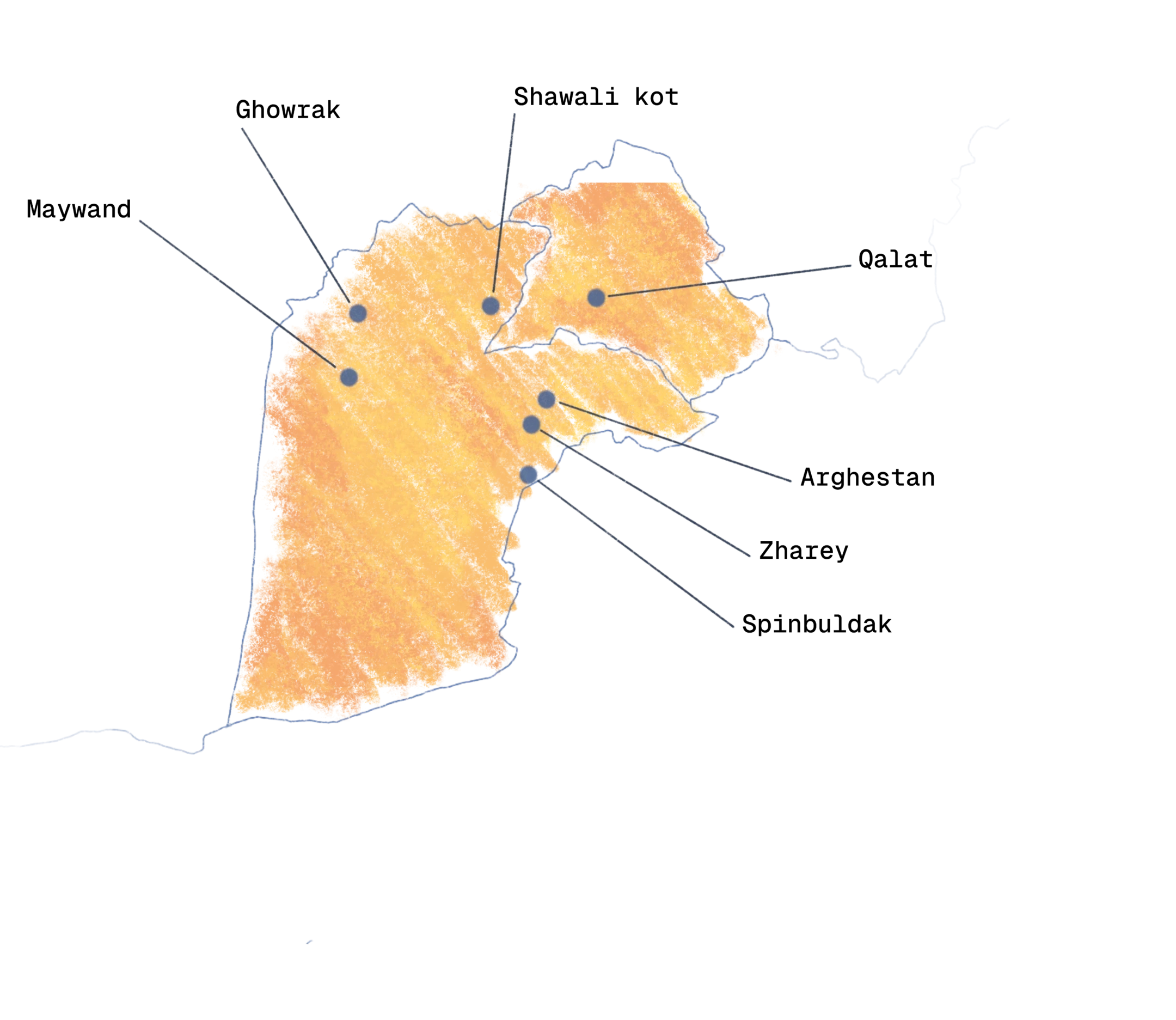
Maywand:
- Ambulance service.
- Rehabilitation of health facilities.
- Assistance to sexual and gender-based violence survivors.
- Counselling sessions by psychosocial support counsellors.
- Pre and postnatal care at home.
Ghowrak:
- Primary healthcare consultations.
- Construction of toilets and handwashing stations across health facilities.
- Hygiene promotion activities.
- A solar powered water point for water provision.
- Treatment for malaria, diarrhea and infections for children.
Shawali kot:
- A solar powered water point for water provision.
- Construction of handwashing stations.
- Building of toilets, gender segregated and accessible to people with disabilities.
- Counselling sessions by psychosocial support counsellors.
- Treatment for malaria, diarrhea and infections for children.
Qalat:
- Screening for undernutrition among children under five years of age.
- Admission and treatment of children under five suffering from Severe Acute
- Malnutrition (SAM) and Moderate Acute Malnutrition (MAM).
Arghestan:
- Pre- and postnatal care at home.
- Rehabilitation and improvement of healthcare facilities.
- Screening for under nutrition and referral to suitable medical centres.
- Primary healthcare consultations.
Zharey:
- Construction of one pregnancy and newborn care centre.
- Pre- and postnatal care at home.
- Assistance to sexual and gender-based violence survivors in the health centre.
Spinbuldak:
- Construct and rehabilitation of Basic Emergency Obstetric and Newborn Care center.
- Wash upgrade.
- 24/7 Sexual and Reproductive Health services.
- Ambulance services.
The team behind this website:
Susanne Heukensfeldt Jansen - Humanitarian project lead Afghanistan for Cordaid
Kyra Sacks - Art direction, illustration and concept
Frank van Lierde - Writer and editor
Sayed Aman Sadat - Cinematography
Benjamin Sacks - Sound composition
Eveleen Hamers & Yannick Gregoire - Design and development
This website shares stories from people in Afghanistan in the context of their daily lives and work. The images, videos, and quotes reflect participants’ lived realities and the social and cultural contexts in which they were documented. Differences in dress or appearance, including the presence of absence of face coverings, reflect local circumstances and should not be interpreted as an endorsement of discriminatory or oppressive practices. Our partners are committed to dignity, safety, and do no harm. All featured participants gave informed consent, and ethical communication guidelines and safeguarding principles were applied throughout. Activities presented, and the participation therein, is appropriately authorised by relevant local authorities. All content was developed with careful consideration for safety, privacy, and wellbeing, particularly regarding women's visibility in public. To protect privacy, some names and identifying details have been altered to safeguard individuals. Where necessary, editorial decisions about visibility and representation were made carefully to protect participants and reduce the risk of unintended harm, and to represent women and men thoughtfully and responsibly. Programme partners in Afghanistan brought advice and essential knowledge of the local context, customs, and cultural considerations. Their guidance informed how stories and visuals were documented and presented.