Agriculture
Managing Food and Income
Drought has devastated rain-fed agriculture in Afghanistan. The Dutch Relief Alliance has assisted farmers in adapting through improved seeds, fertiliser, irrigation training, and livestock support.
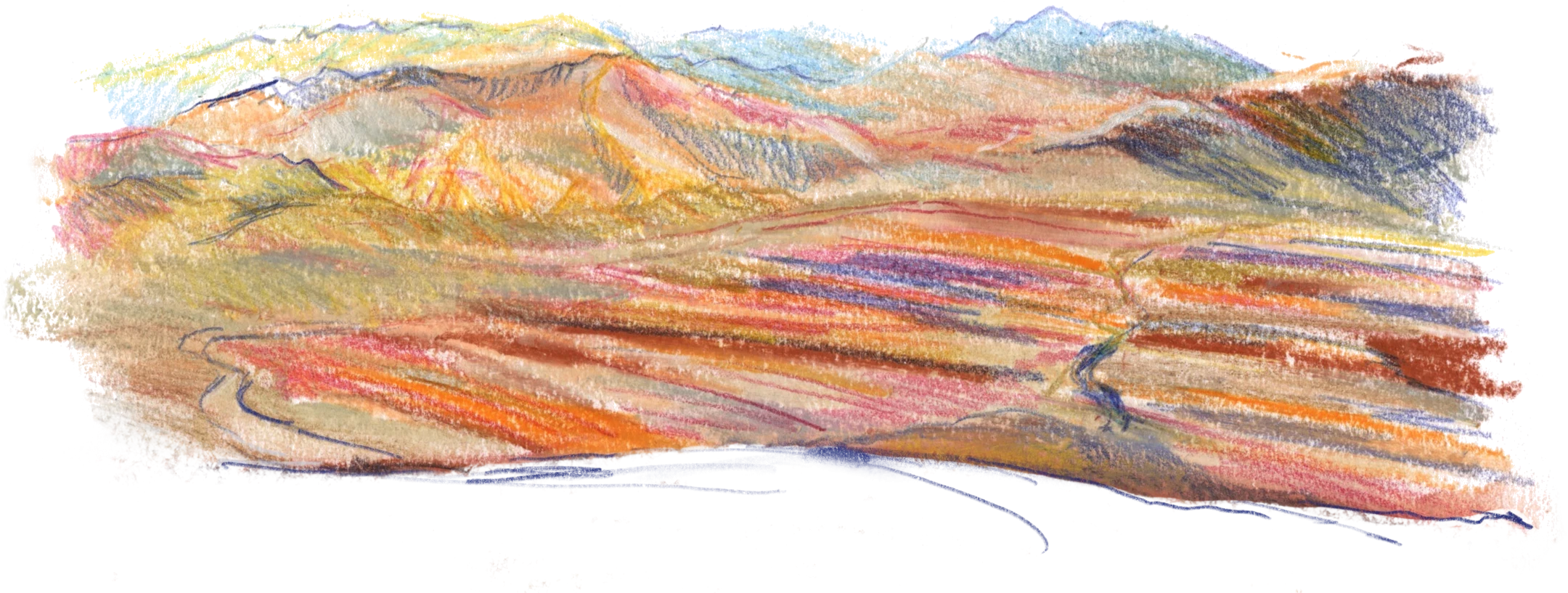
Shirbahia Village, Kushke Robat Sangi District, Herat Province
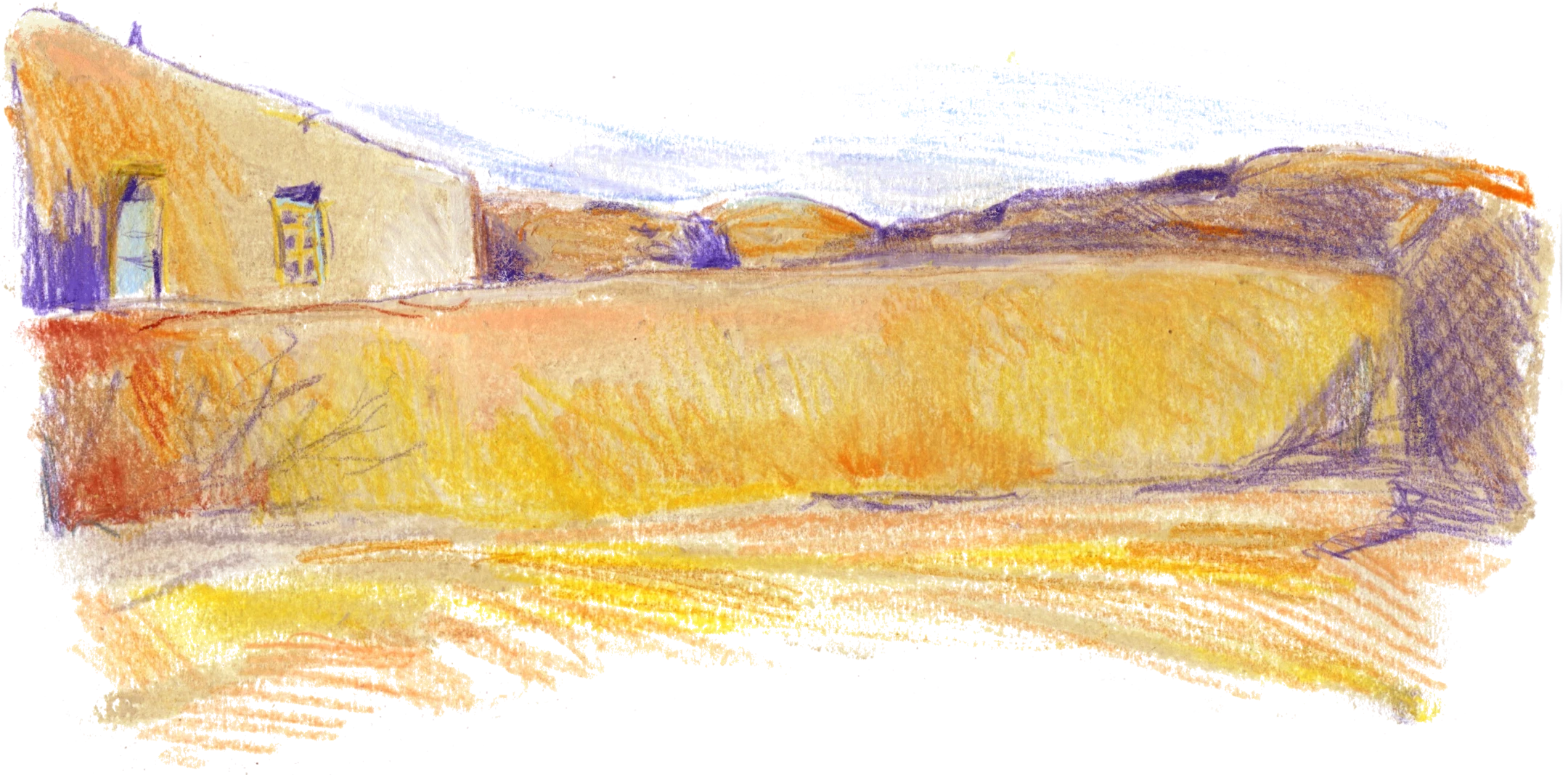
Following the main road through ochre-brown hills and crossing dry riverbeds, Shirbahia village is reached by a sandy path and consists of a main road and a few smaller side streets. Each household has a compound enclosed by a mud wall. Here, the Dutch Relief Alliance provided goats, starter fodder, and training in animal husbandry. Improved breeds increased milk production, enabling families to sell milk and young goats. Veterinary training, guidance on feeding, and shed construction were also part of the support.
The impact of the drought is tangible for mothers like Gulsom (30) who juggles household duties, caring for her disabled husband, and weaving carpets. Gulsom has a courtyard where she keeps goats, a small shed for feed, and bags of dung that she saves to use as fuel.
“The support I received was substantial: six goats, 1,200 kilograms of straw, and 600 kilograms of concentrated fodder. We were trained on sheds, illnesses, and feeding. This will help us generate additional income.”
— Gulsom
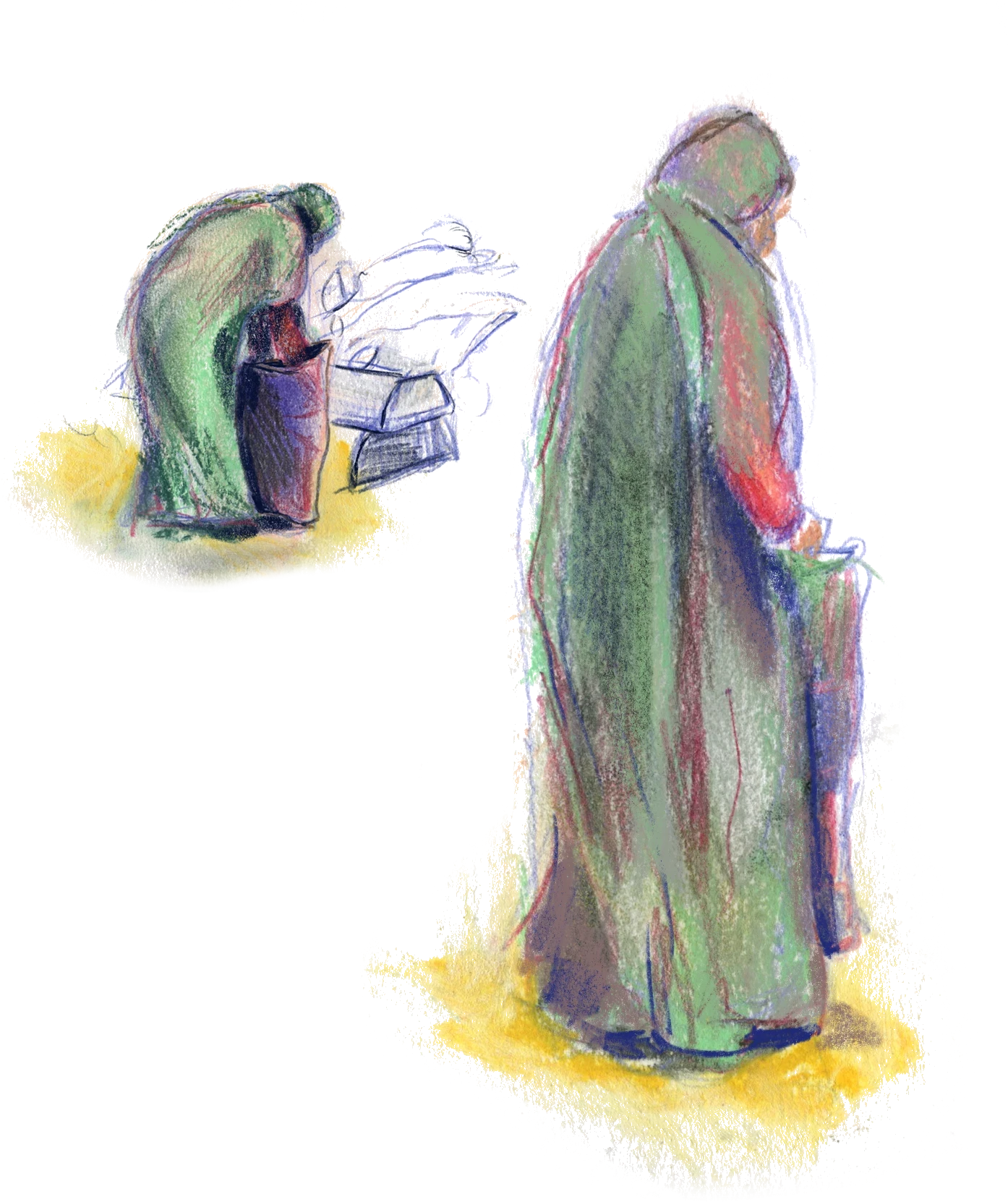
“I never went to school in my life, yet I am proud of myself doing all this. It is hard to keep going and have all these responsibilities as a woman, but I have to do it.”
— Gulsom
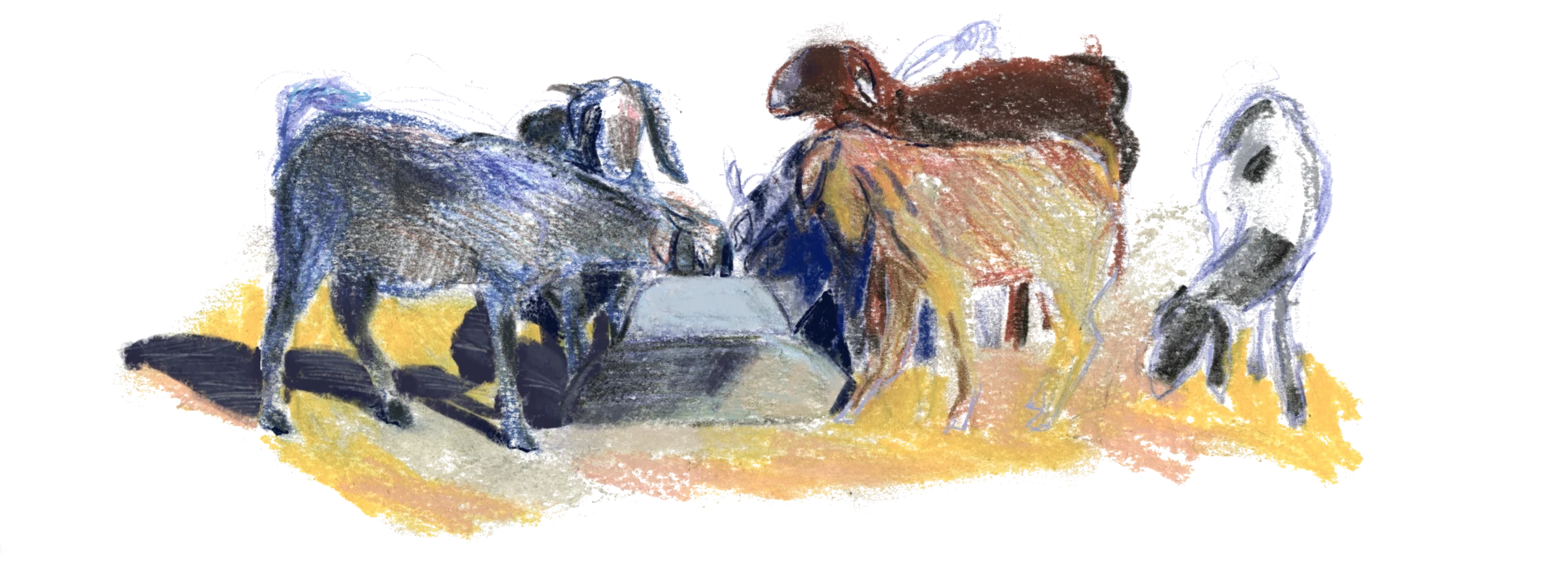
In an area where rain-fed agriculture and grazing are increasingly hit by drought, these interventions give families a lifeline, assisting them in generating income, feeding their families, and coping with extreme conditions in harsh, drought-stricken communities. This integrated response builds long-term resilience, particularly for women- headed households.
Said Ahmad (43) is an animal health worker from Shirbahia and supports farmers like Gulsom with training and veterinary care. Farmers are trained to treat diseases and use dung for fuel, and receive fodder and food support as vegetation land decreases. After training, they come to Said Ahmad whenever there’s a problem.
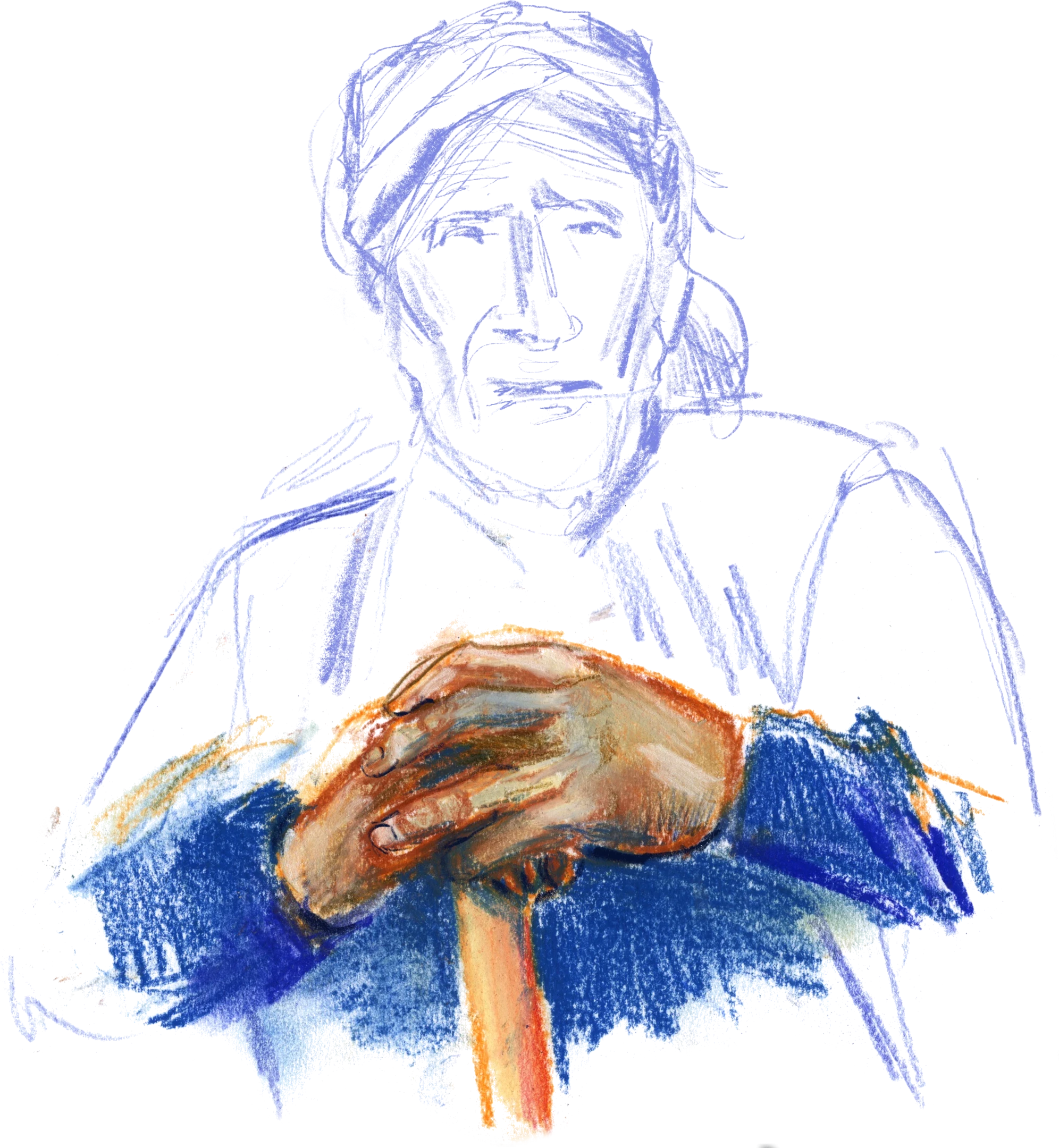
“Thanks to the Dutch Relief Alliance, we can provide the right medicines against things like goat pox, foot-and-mouth disease, or enterotoxemia, free of charge.”
— Said Ahmad
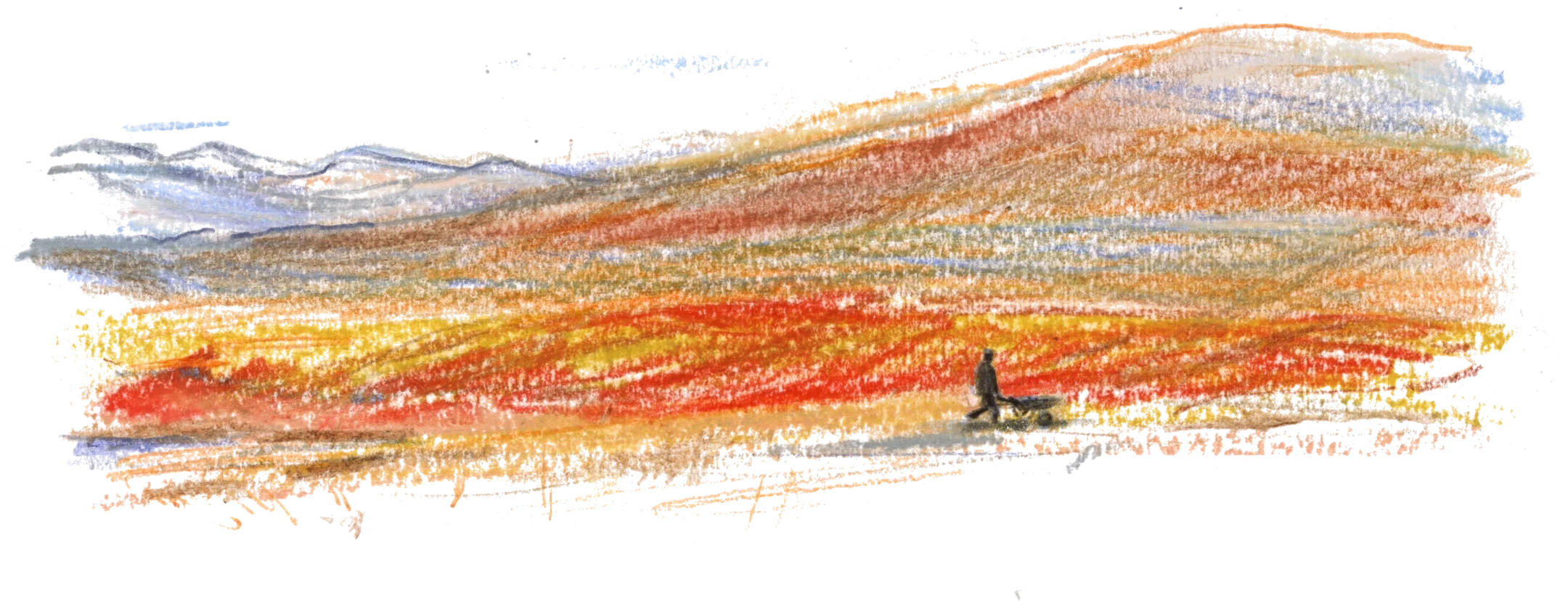
Koti Sofla Village, Kushke Robat Sangi District, Herat Province
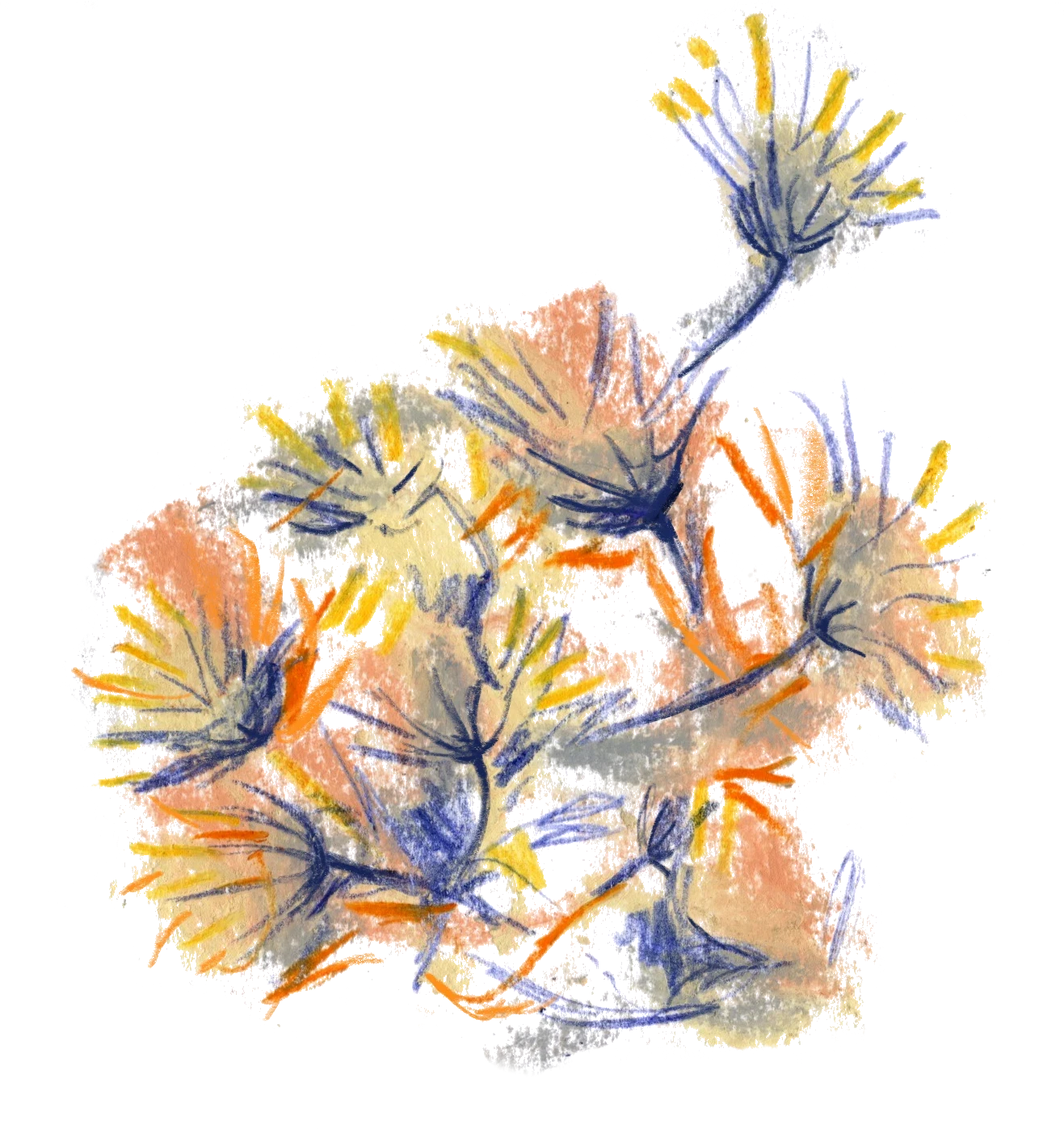
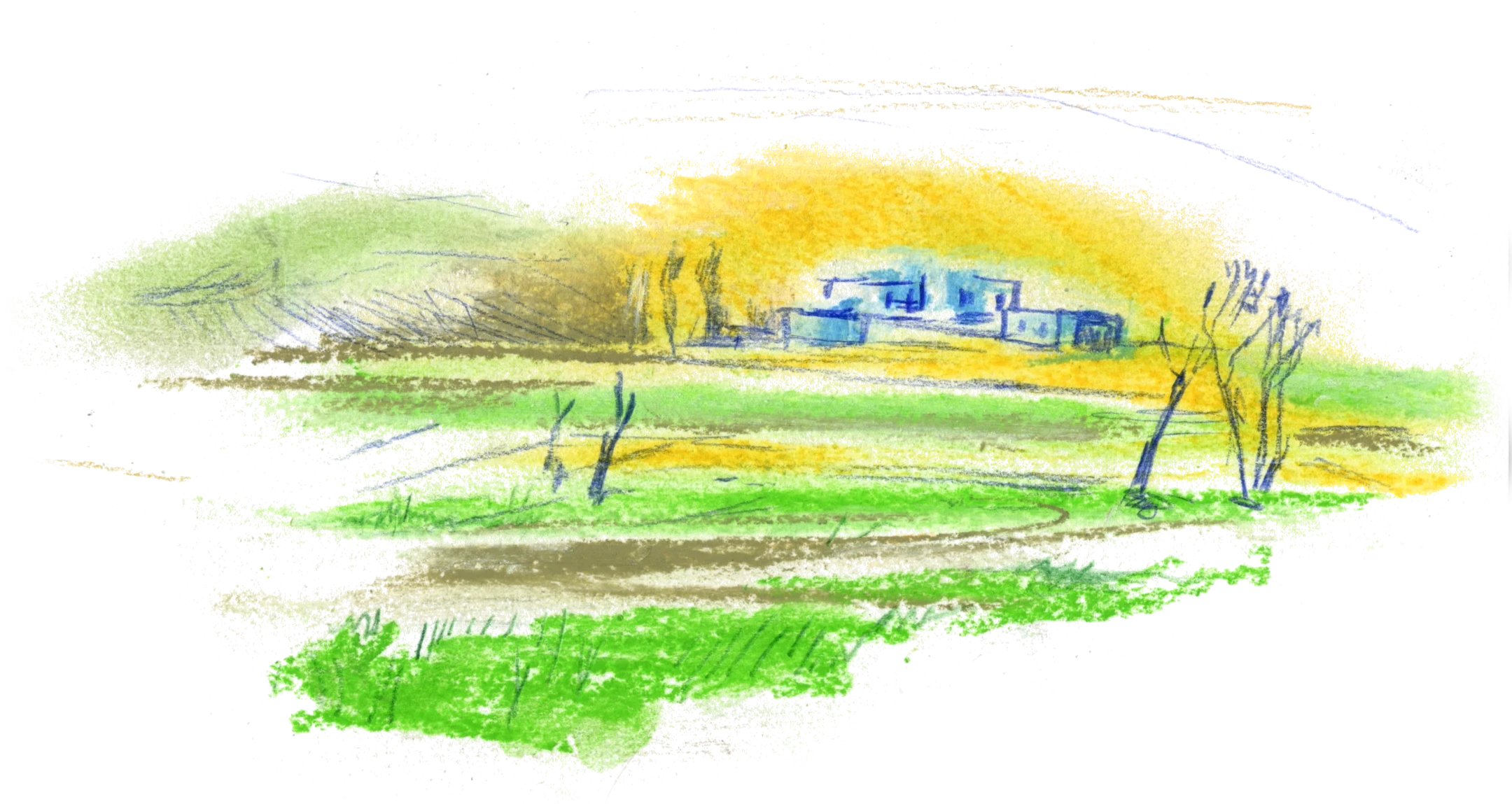
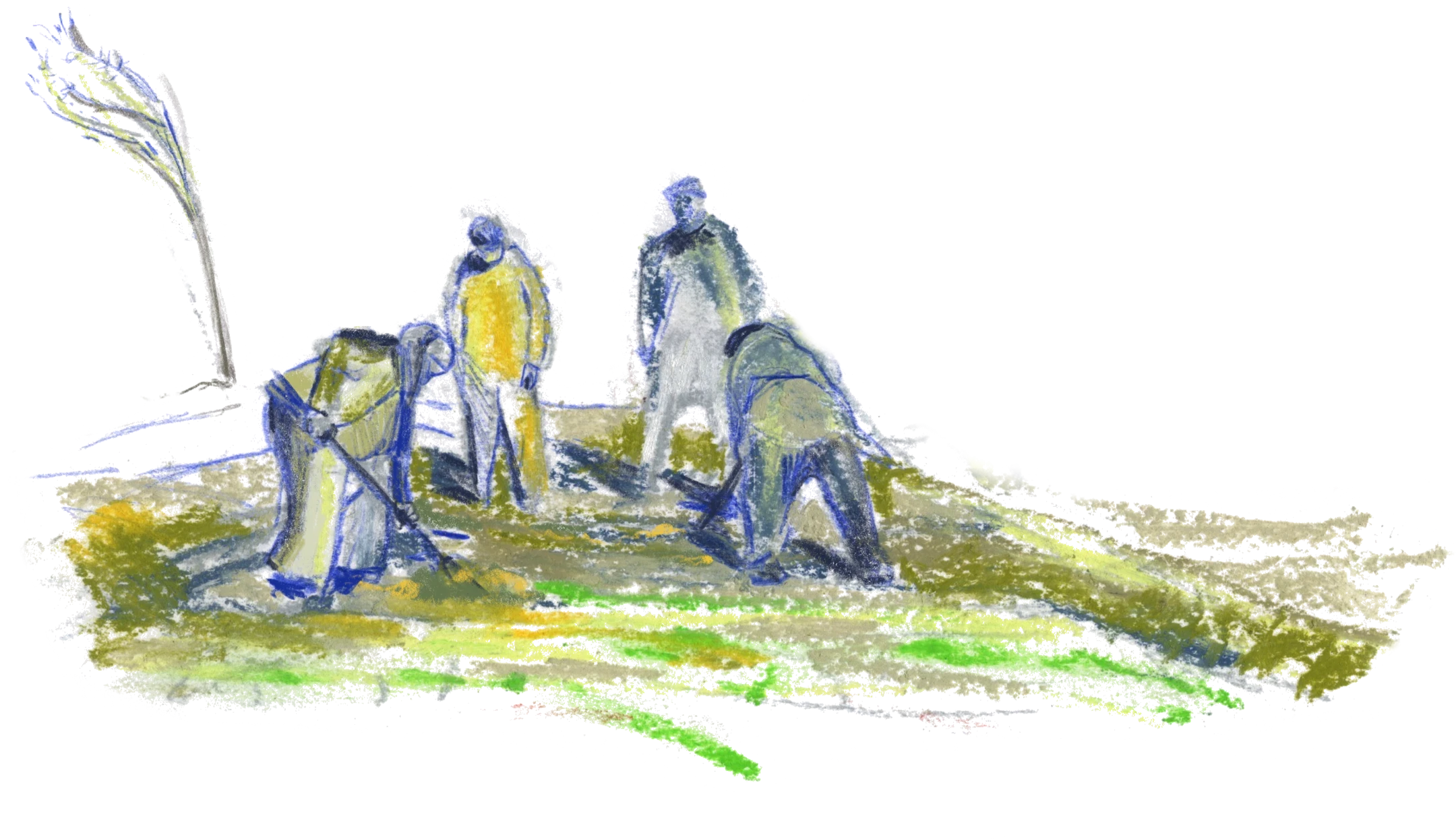
Farmers have gathered on the barren vegetables fields just outside of Koti Sofla village. This is the period they should prepare the land for sowing and planting. But the land is dry, the work is hard and the yields will be small at most. "The spells of drought started some 30 years ago", one of the older farmers comments.
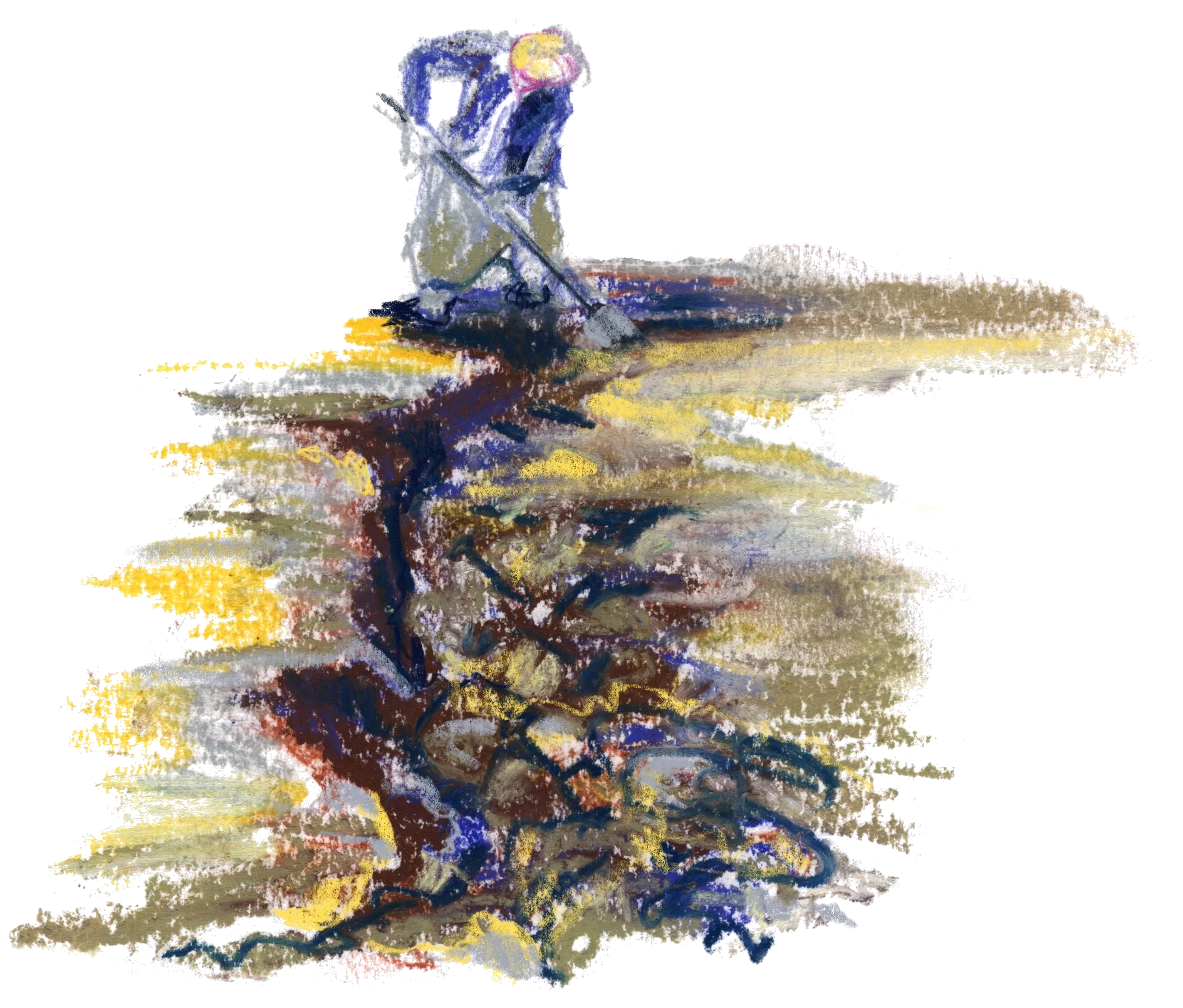
24 farmers of Koti Sofla village received drought-resistant wheat seed, fertiliser, and training in planting and irrigation. With traditional rain-fed cultivation failing, every drop of water and every seed counts.
“We survived the war. I am not sure we will survive the drought. How much longer can we stay?”
— Mohammad
“We do what we can to adapt. How much longer can we stay? We worry day and night. Even I worry, although I still have some income. How long will there be enough water to survive?”
— Mohammad
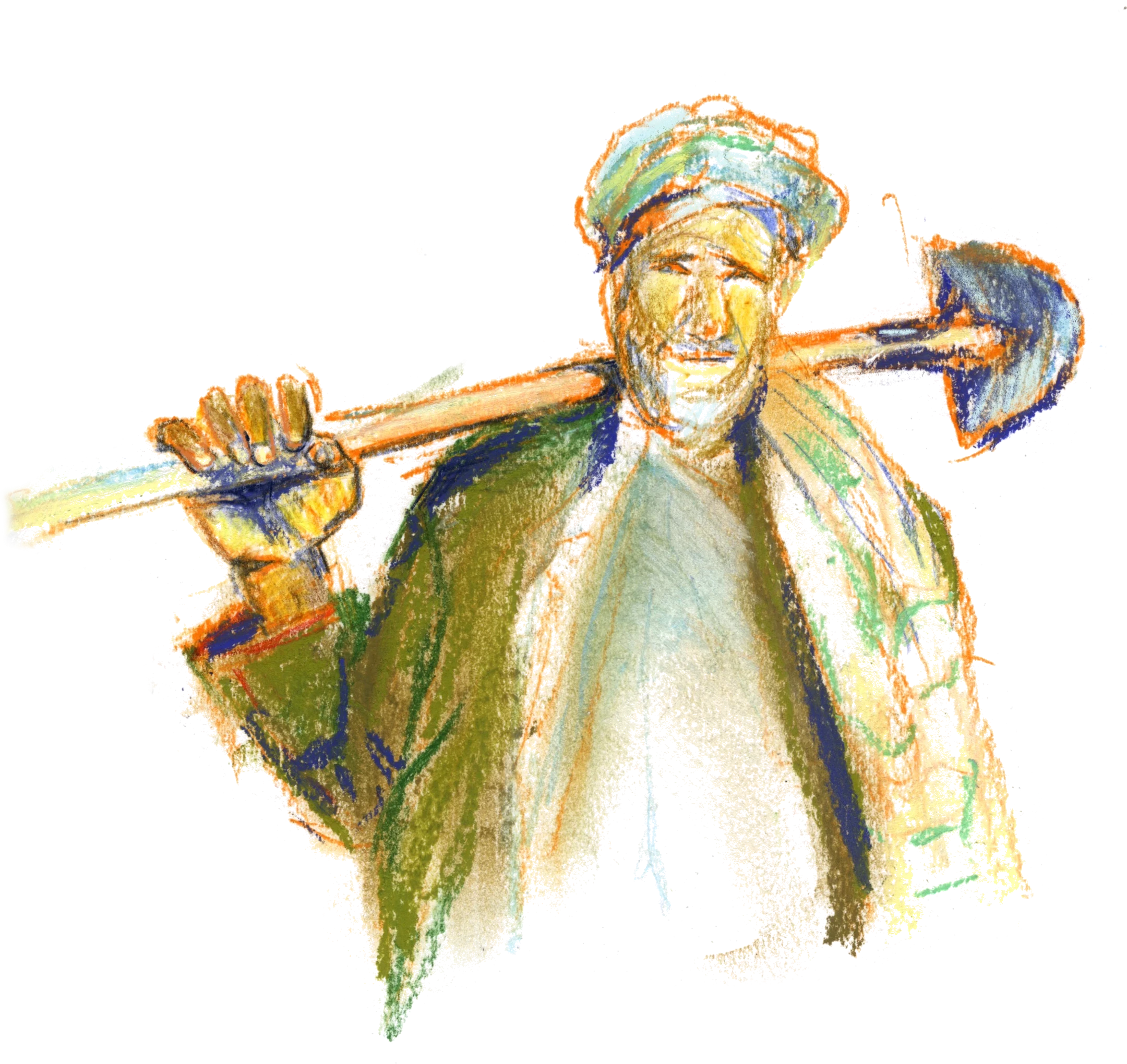
Mohammad (60) has farmed Koti Sofla since he was 15. He recalls that the area used to have more than enough rain. Now, the drought has made rain-fed cultivation extremely difficult, making irrigation and fertiliser knowledge essential.
For Noor Ahmad (25) the uncertainty is even more acute. He had worked in Iran before being arrested and deported back, an experience he describes as utterly lonely.
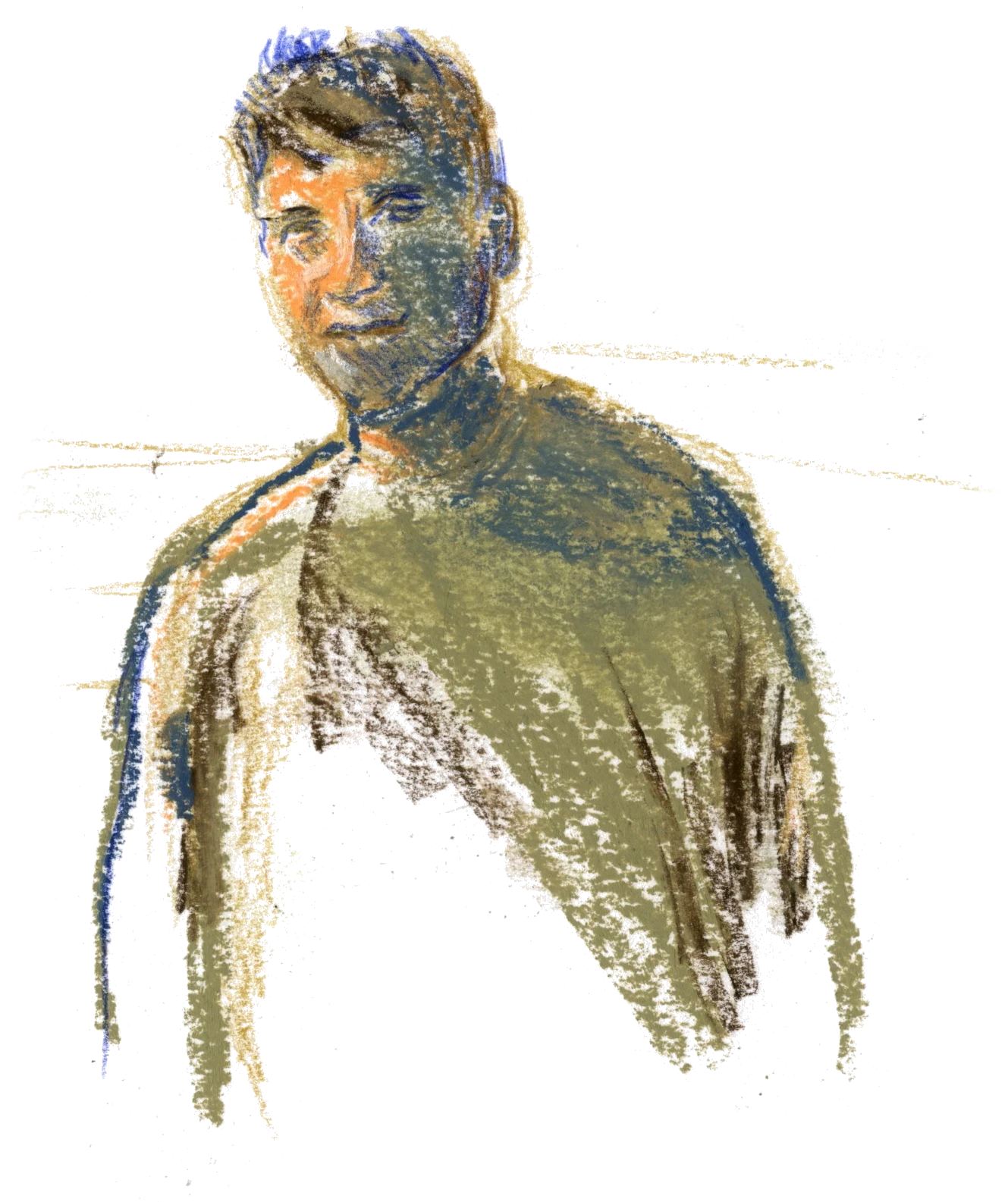
The Dutch Relief Alliance offers psychological support and emergency assistance for Afghan families returning to the country. It ensures they do not have to navigate their first steps back alone or without medical care and protection support.
In Koti Sofla, Noor Ahmad is one of the younger farmers who received support from the Dutch Relief Alliance.
“The drought is terrible. All you hear from the elders is, ‘if only the rains came’. My future depends on the rain. If drought continues, we will be forced to leave this area and move to Herat, or migrate abroad, even to Europe.”
— Noor Ahmad
Noor Ahmad is grateful for the support he received. It helps him survive. But the drought leaves no room to save for the future. He has been engaged for six years but is unable to marry.
“When your hands are empty, it is hard to start a family.”
— Noor Ahmad
Climate stress cuts through every story. Farmers describe wells drilled ever deeper, canals clogged with sediment, and harvests dwindling. They pray for rain. Health workers link malnutrition to failed rains and shrinking incomes. Migration, often dangerous, is a last resort. Infrastructure helps, but cannot replace rainfall. Rehabilitated water systems, cleaned canals, and improved irrigation stretch scarce water further. Every drop counts.
Read the next chapter:
Water