Water
Water Systems in Herat and Nangarhar
In the hills of Herat, drought is more than a seasonal challenge, it is an existential threat. In Durmeshi village, near the Iranian border, farming, the community’s main livelihood, has collapsed. Families sell land and livestock to survive; some leave entirely.
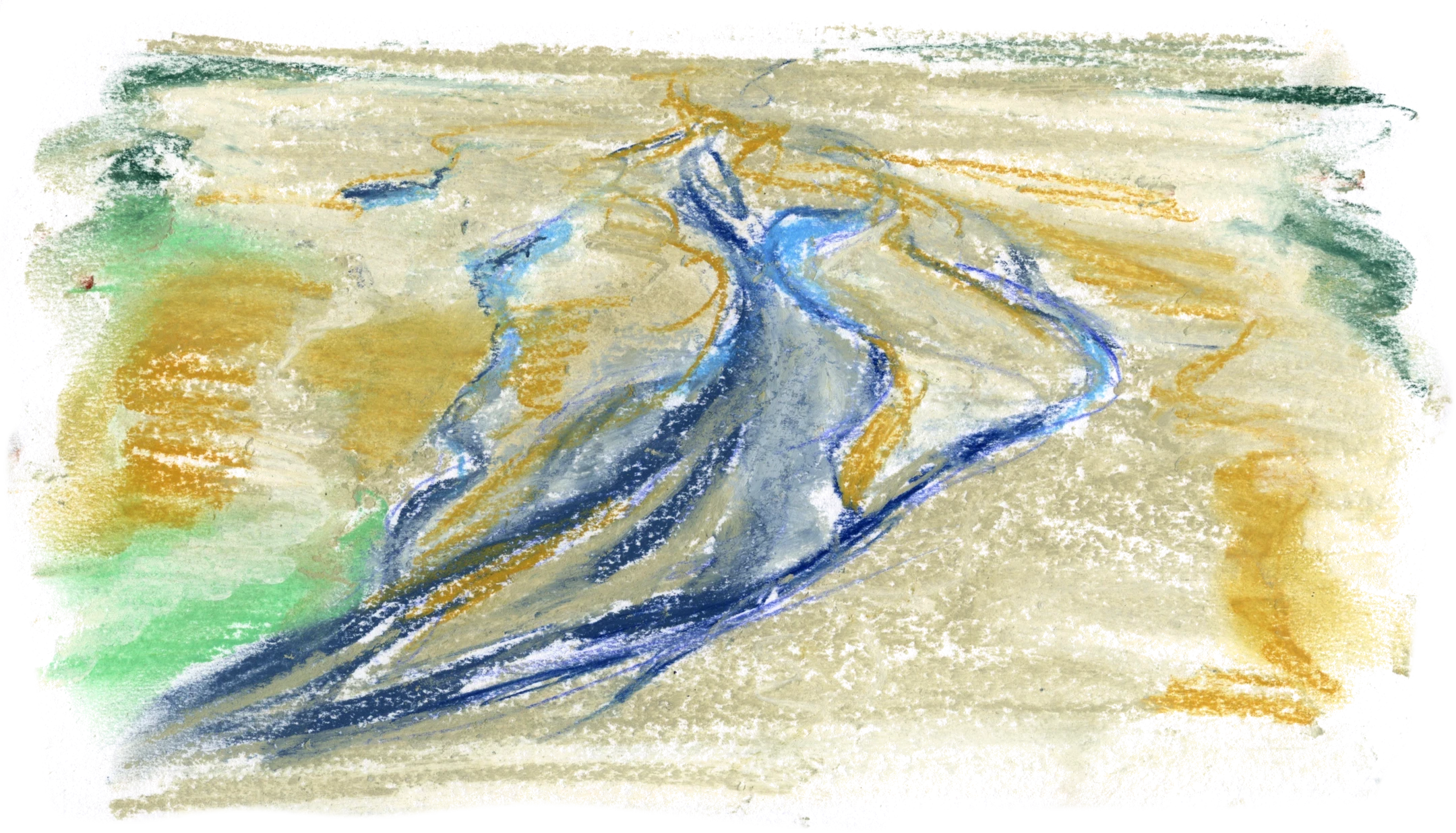
Durmeshi Village, Kushke Robat Sangi District, Herat Province
In Durmeshi, a small village near the Iranian border, the Dutch Relief Alliance helped rehabilitate the village’s water system and equipped it with solar power.
Today, it is the only source of water for all 350 households, supplying drinking, cooking, and cleaning needs. Beyond that, the Dutch Relief Alliance provided relief by assisting families in covering electricity costs and basic needs. This is critical support in a village struggling with years of drought.
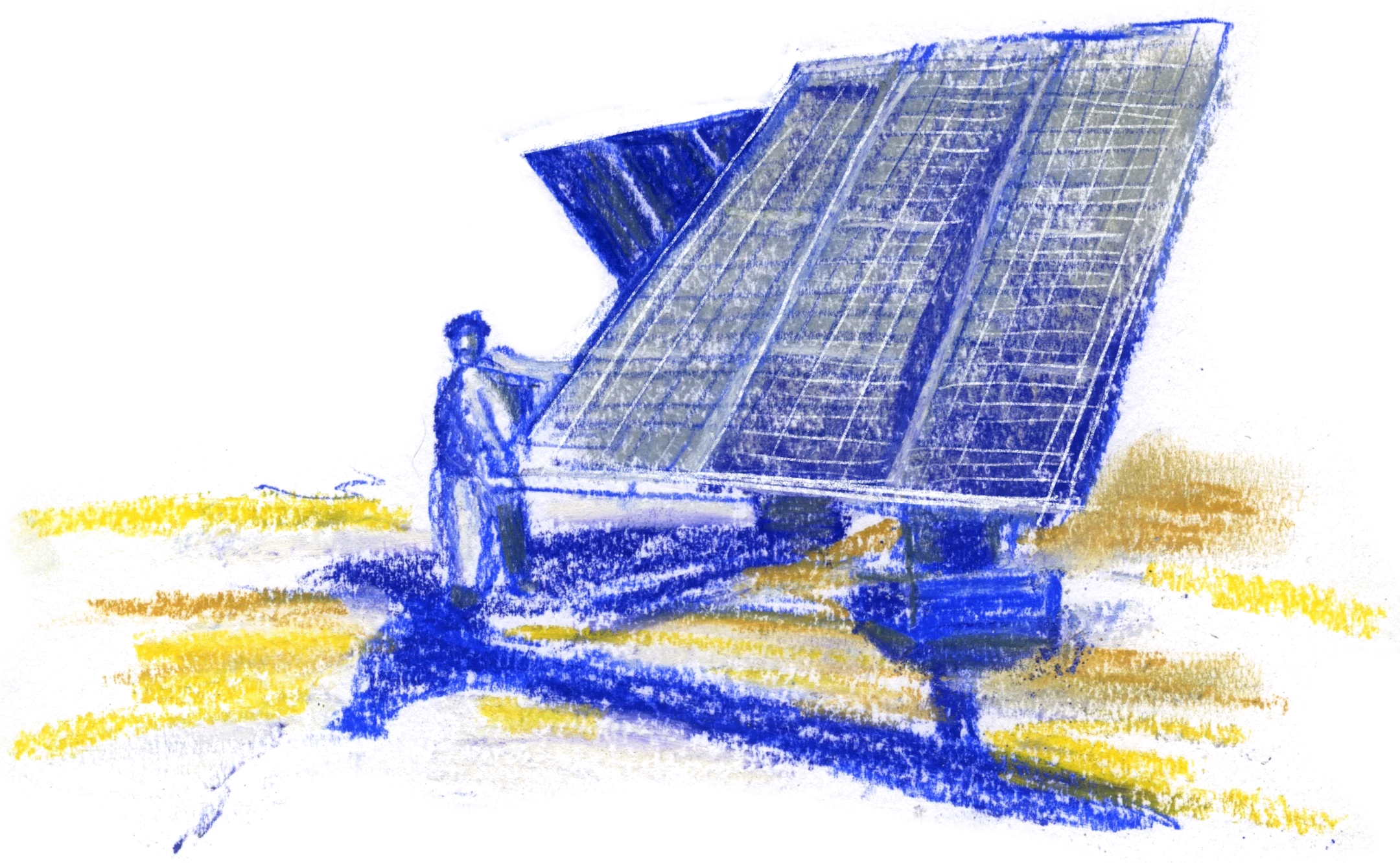
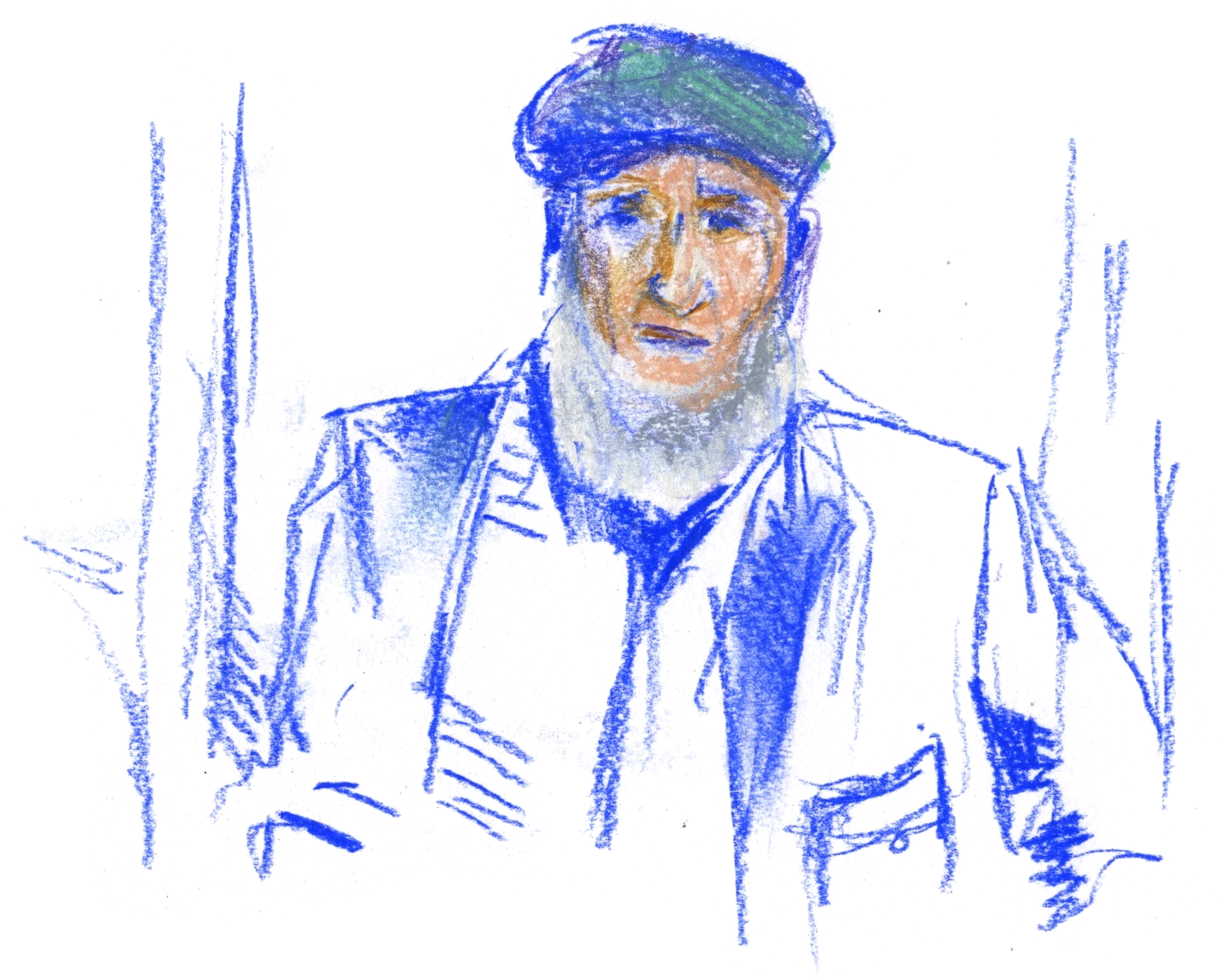
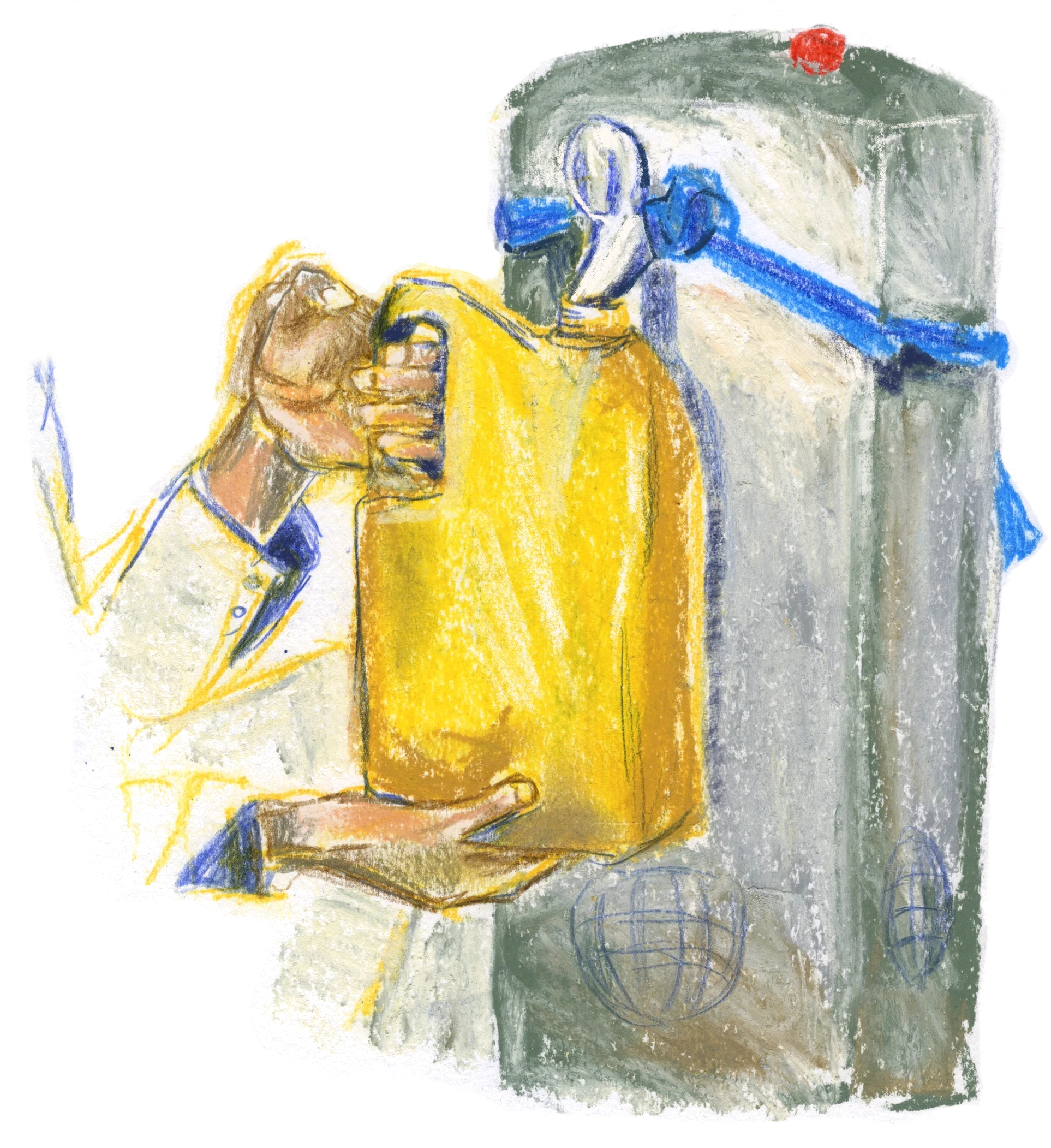
Abdul Qayoum is one of the leaders of the village. He rotates the solar panels manually a couple times a day to face the sun.
“Luckily, we have this water system. After an earthquake, the 5,000-liter tank stayed standing, but the well got filled with mud. With support of the Dutch Relief Alliance, we provided emergency assistance and cleaned the well.”
— Abdul Qayoum
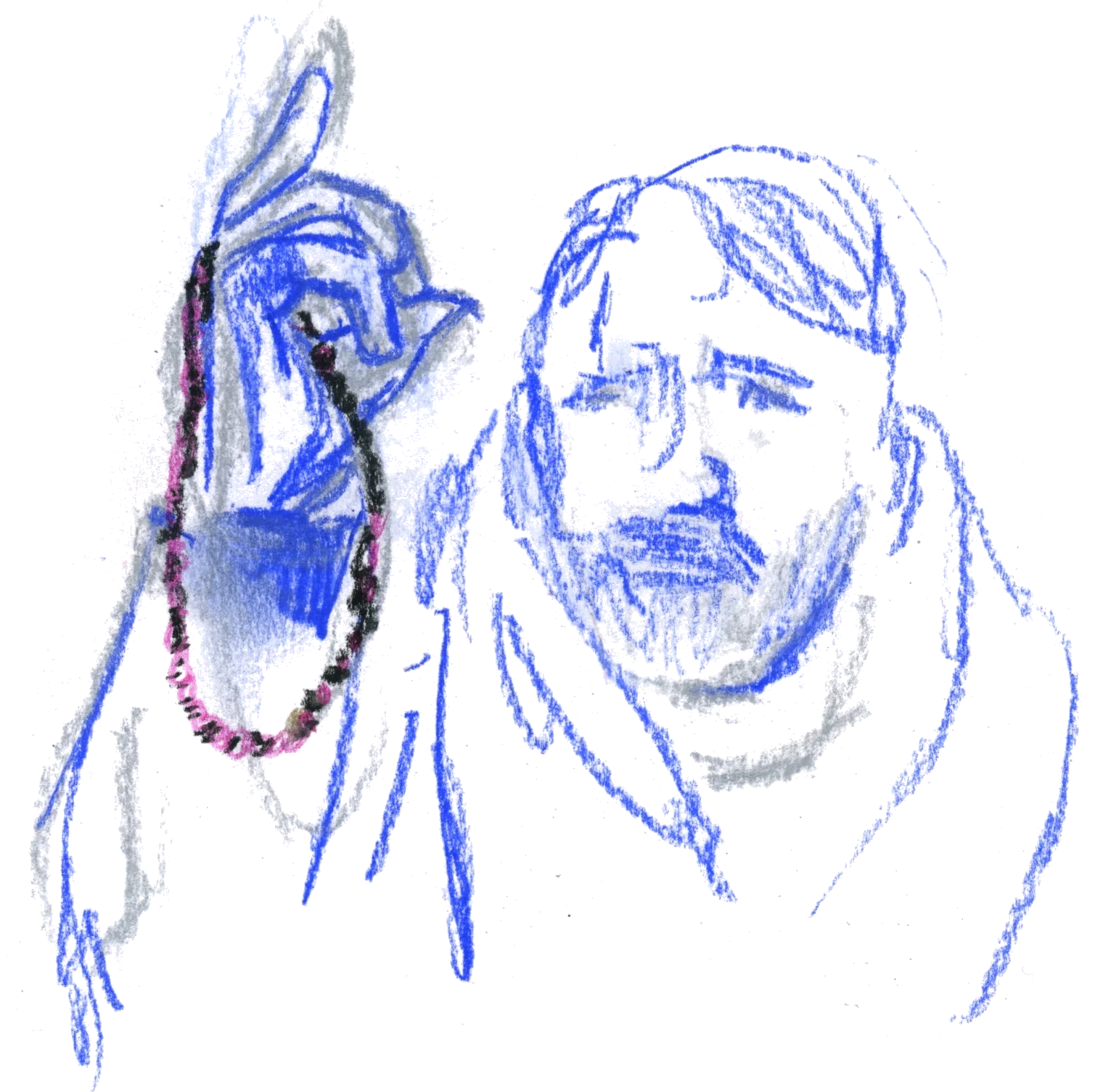
“Water is life.”
— Abdul Qayoum
We gather around a 13-metre deep-water well.
It was dug in 2013, as part of the then existing National Solidarity Programme. “Me and others, we dug it with our own hands and with pick axes”, Abdul Qayoum says. Before 2013, there were about 25 hand pumps, supplying the village. They all ran dry or became defect. There’s only one left.
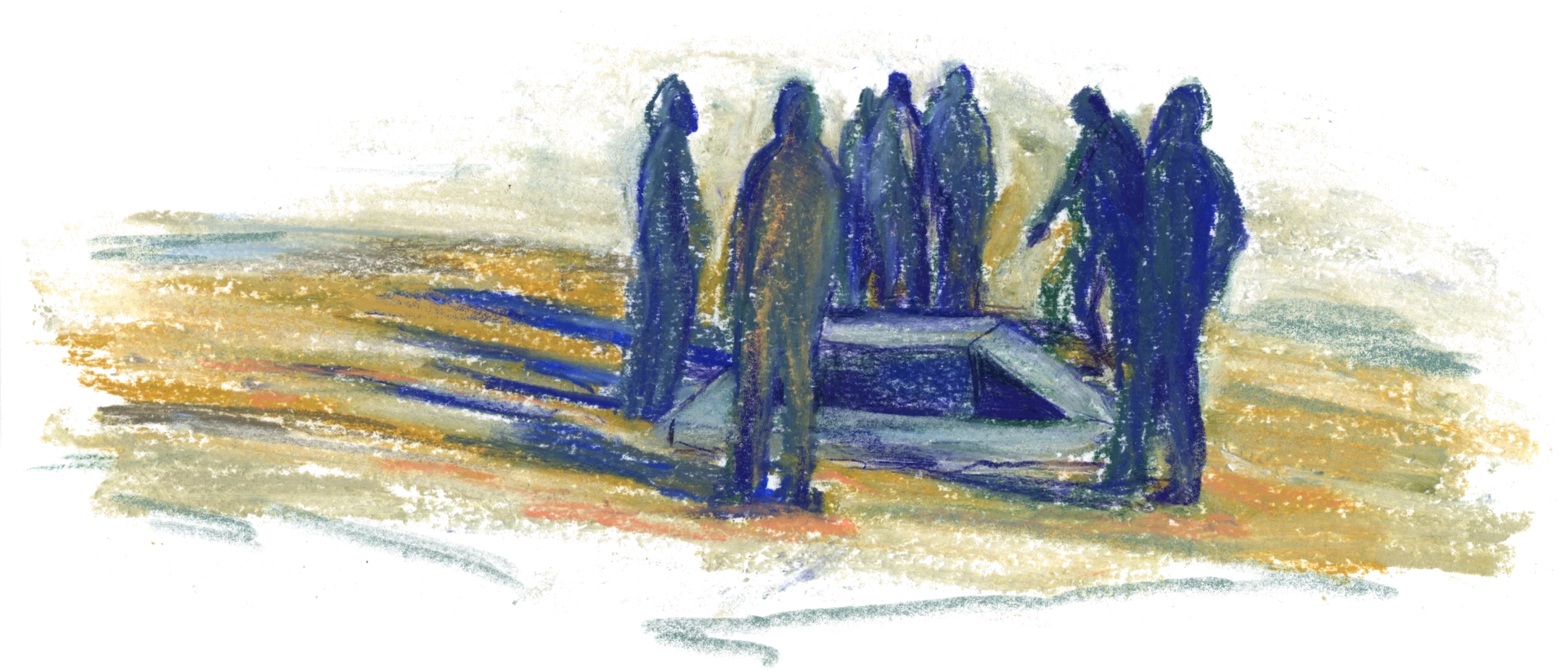
When the 13-metre-deep well runs dry, nobody knows when, it would not simply be a matter of digging deeper.
“This system takes its water from an underground layer, some 10 to 13 metres deep. That layer doesn’t go any deeper. It would be wise to dig another well, a bit further up. We know there’s a source there. But we don’t have the means to do it”, says Ghulam Sakhi.
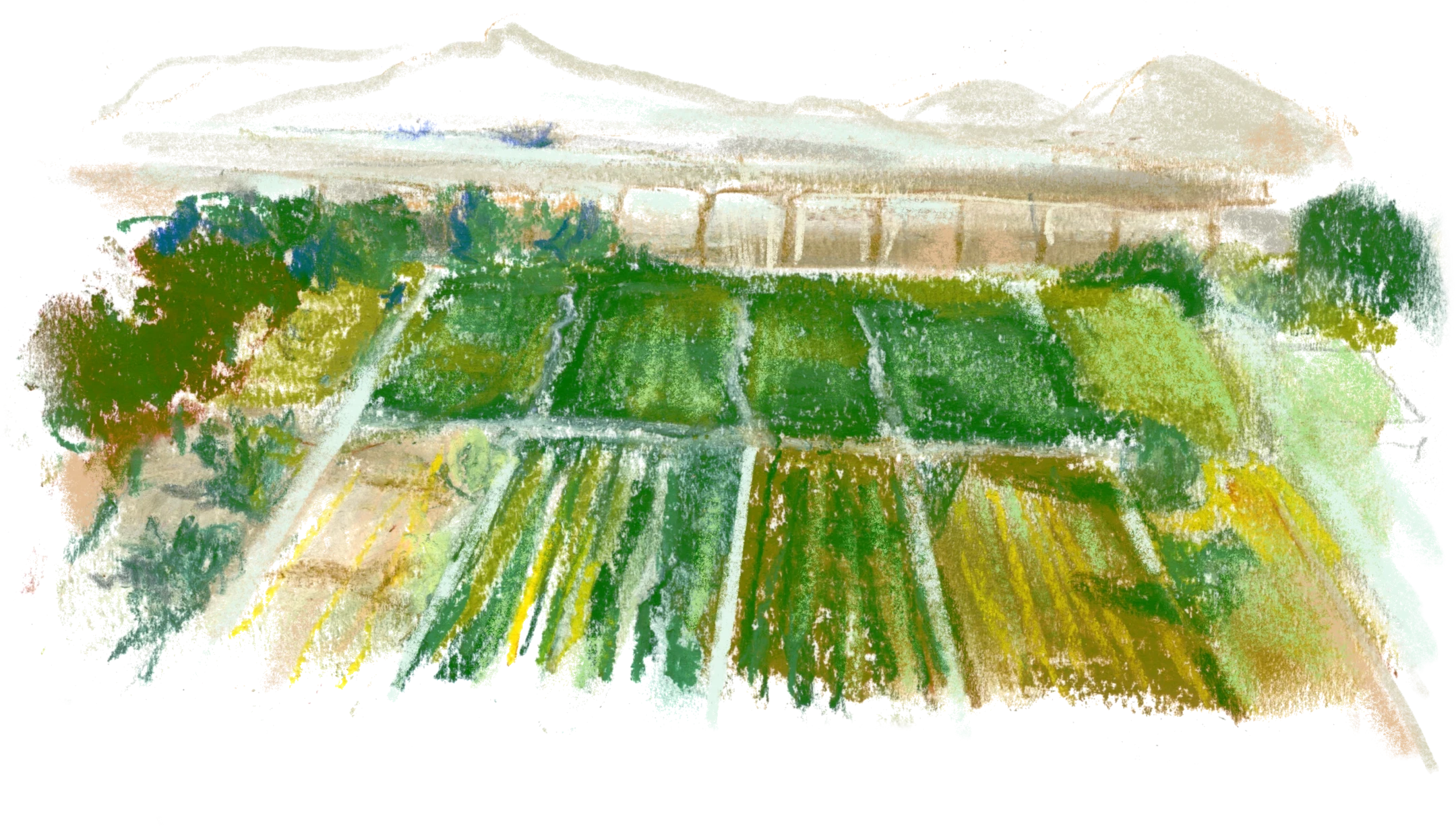
He explains that with hard work, they are able to harvest 100 kg of wheat, compared to 2000 kg in the past. Farmers are pushed to sell their land and their animals, to be able to buy food and survive. But the price of land is going down too, as it is no longer arable.
“We are all farmers. We depend on rain, 100%. And look at us today! We have not even yet prepared the land for the next crops, because there is too little to prepare for. For the past seven years, all we had was drought. Crops have dwindled.”
— villager
“This drought has been going on for seven years. The last time it rained was a year and a half ago. Thirty-five families have already left Durmeshi. Our younger men go to Iran for work, often to be deported back. I am not sure how we will manage without rain, all I know is that this Dutch Relief Alliance-supported water system is the only reason we are still here.”
— Ghulam Sakhi
“We are just praying for rain. The last rain we had was in March 2024. And we are hoping the rivers will rise and swell. But for that, the snow has to melt. And snow is just cold rain.”
— villager
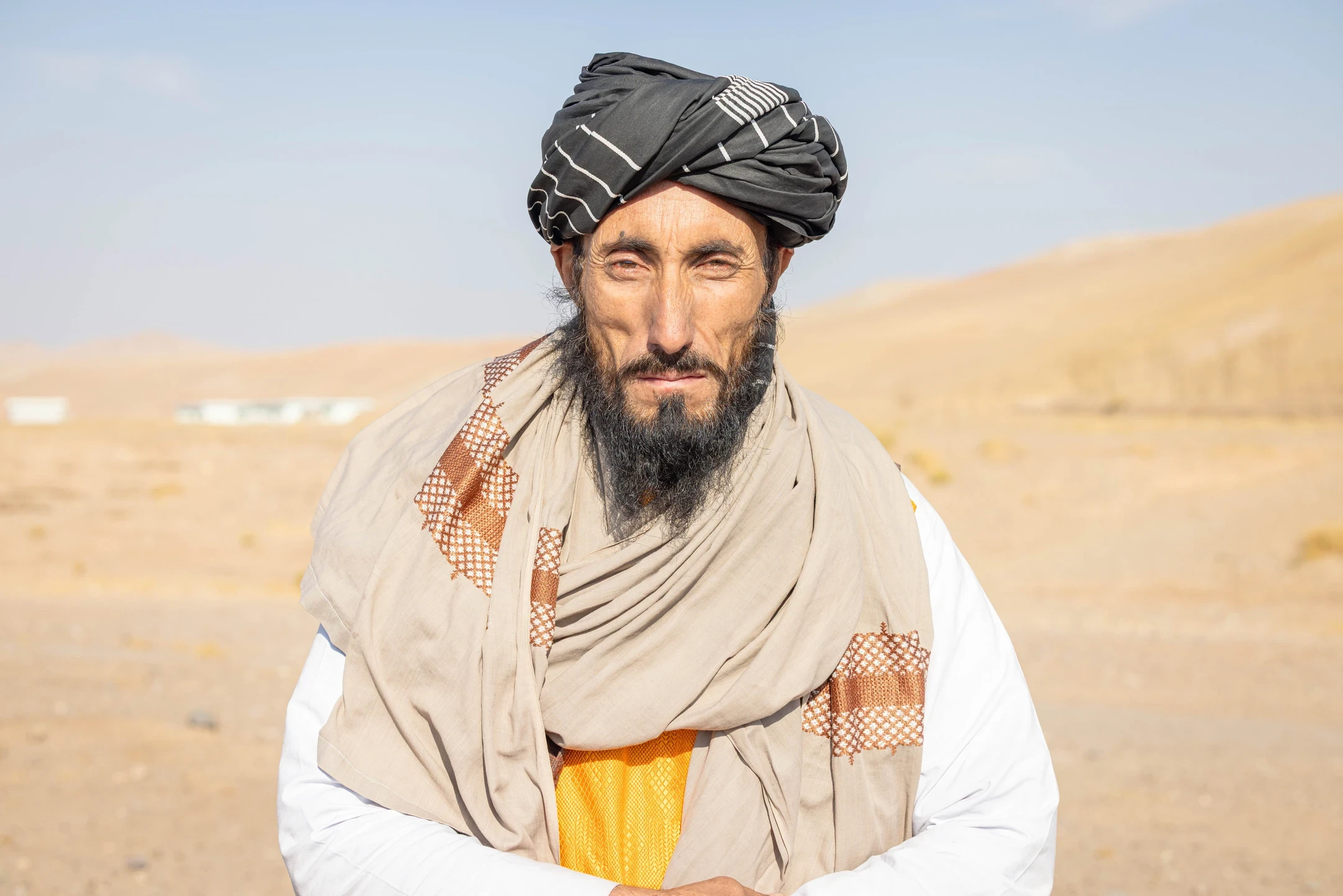
For Niazullah, a farmer who was forced to sell all his land, daily survival is a constant challenge. He is no longer a farmer, and saves food for his children by eating only once a day himself.
“We are alive, but we are not living. Most children here are undernourished and sick. Just yesterday, a six-month-old baby died from fever because her parents could not afford transport to a health centre. It is not only illness, but poverty, drought, and lack of access that are killing our children. The water system of the Dutch Relief Alliance helps a lot, but we are still at the mercy of the climate.”
— Niazullah
Momandara District, Nangarhar Province
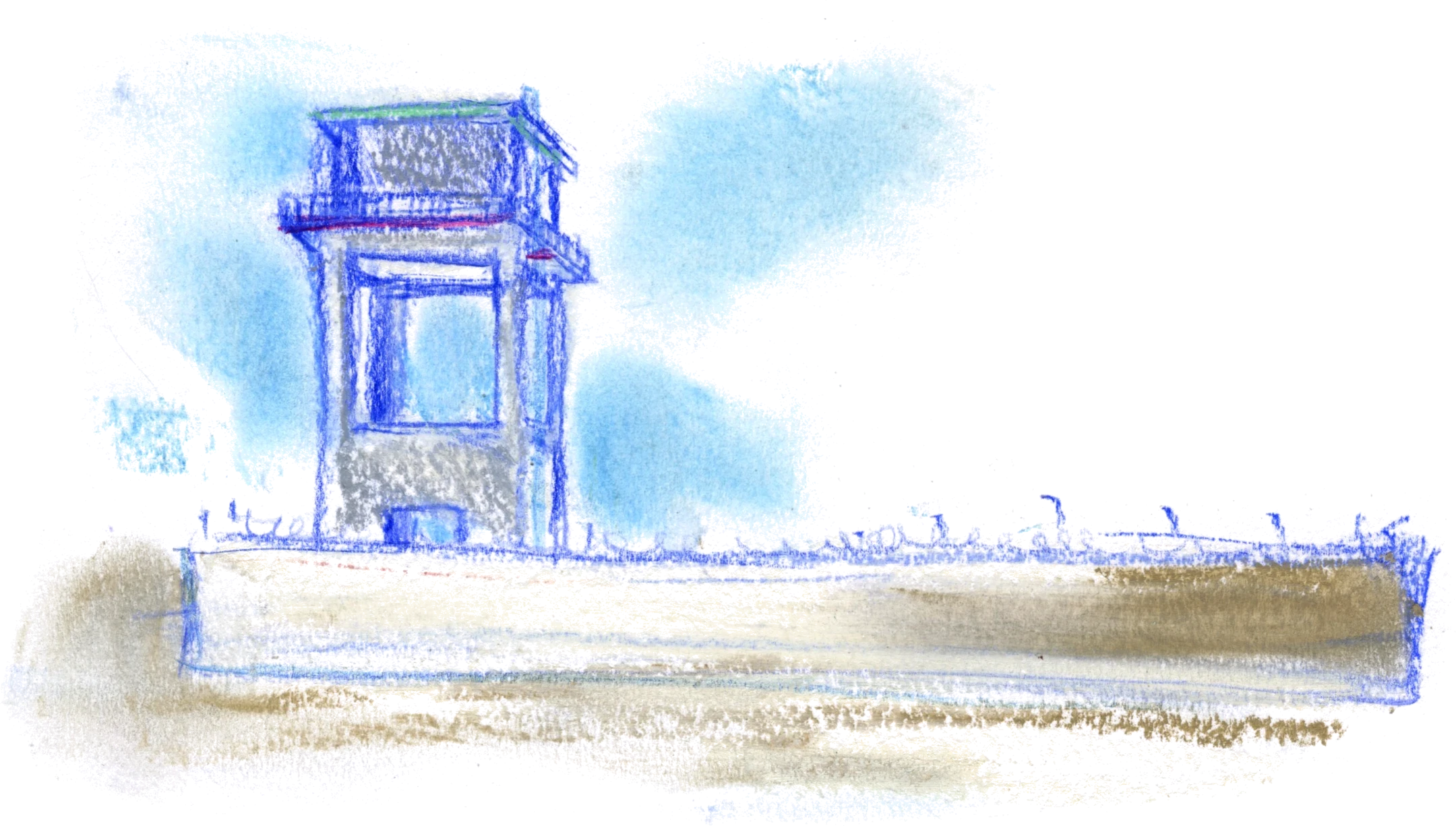
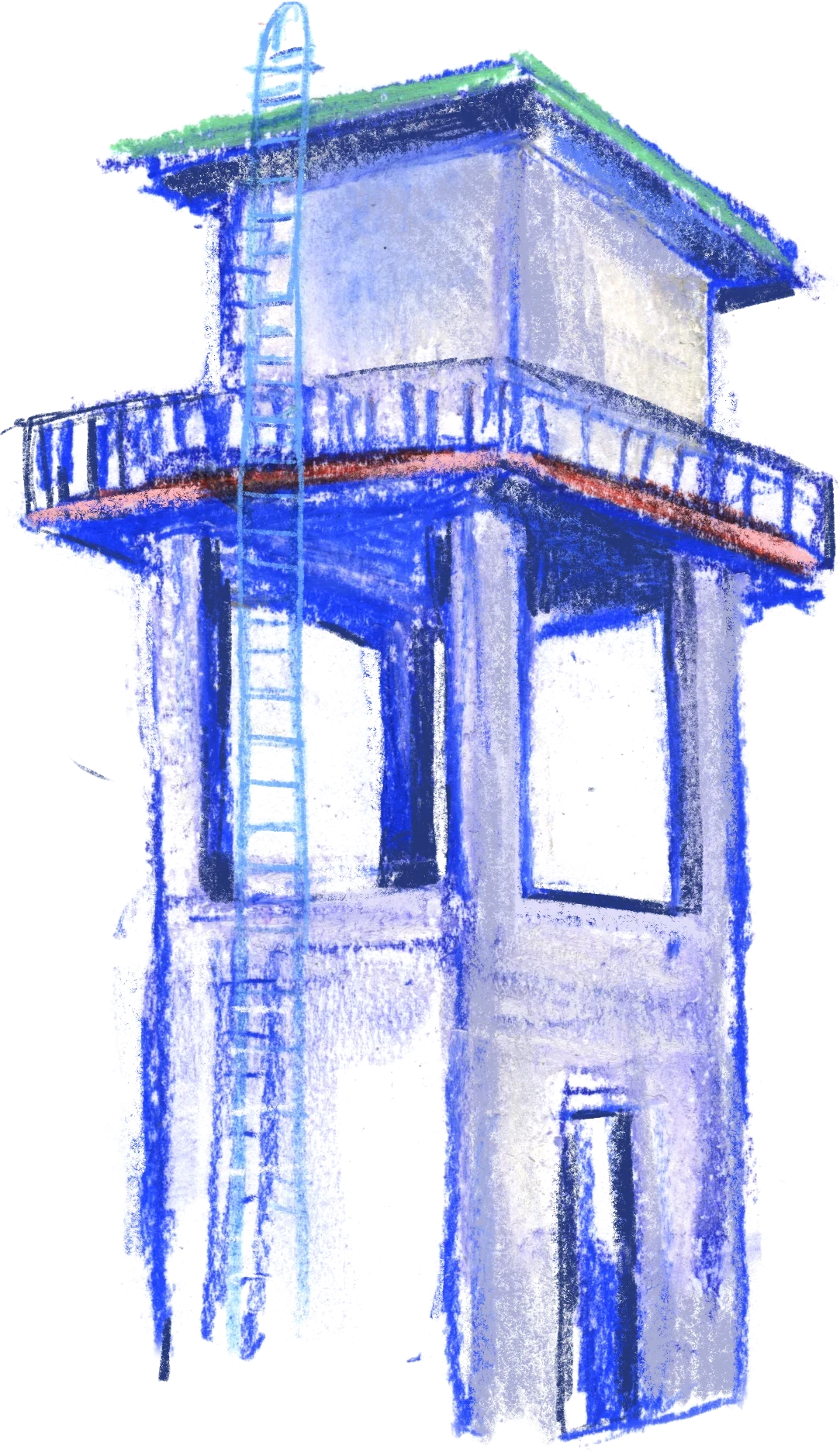
Within the Momandara District rests Dag village, a settlement within the Gardi Ghaus municipality that lies exposed on the Nangarhar flatlands. Its name, meaning “desert,” reflects the harsh conditions. Here, the Dutch Relief Alliance built a solar-powered water scheme with an 18,000-liter tank, household piping, and a trained 10-member committee. The system supplies safe drinking water to all 150 households and has allowed some families to return after years of harassment in Pakistan.
Majeed Gul was born in Dag village, but left as a child with his family for Pakistan, where he grew up and attended medical college. When the situation for Afghan refugees worsened, Majeed and his family were forced to return to Afghanistan, in 2025. They still owned land in Dag village, and once the water scheme was built they were able to return.
“The water scheme is the only reason we were able to return to our village of origin, where our family still owned some land.”
— Majeed Gul
Lema, a female farmer from Dag village who accessed both the water scheme and agricultural assistance, reflects on the impact of Dutch Relief Alliance support on everyday life, especially for women balancing household duties, farming, and safety concerns.
“Before, women and children had to walk two kilometres to the well. Our kids turned bald from carrying buckets on their heads. On the road, we were harassed for being out in public. At home, men were angry because we were outside so long. Now, water runs to every household. It is essential for cooking, cleaning, and drinking. But it also reduced the exposure to daily abuse we face, and makes a real difference in our lives.”
— Lema
The water scheme has become a lifeline. Dag is one of fourteen villages supported with the Dutch Relief Alliance water schemes across Momandara, serving more than 100,000 people. Across contexts, these systems combine solar pumps, storage tanks, household piping, and community-managed maintenance, ensuring vulnerable households still receive water.
Through the establishment of water supply networks, the distribution of hygiene kits and hygiene promotion activities, and ensuring the facilities are accessible to people with a disability, the projects reach thousands of households. The rehabilitation of canals and construction, of protection walls to reduce flood risks, the work of the Dutch Relief Alliance enhances community disaster preparedness.
Read the next chapter:
Healthcare