Cash-for-work
Income and Irrigation
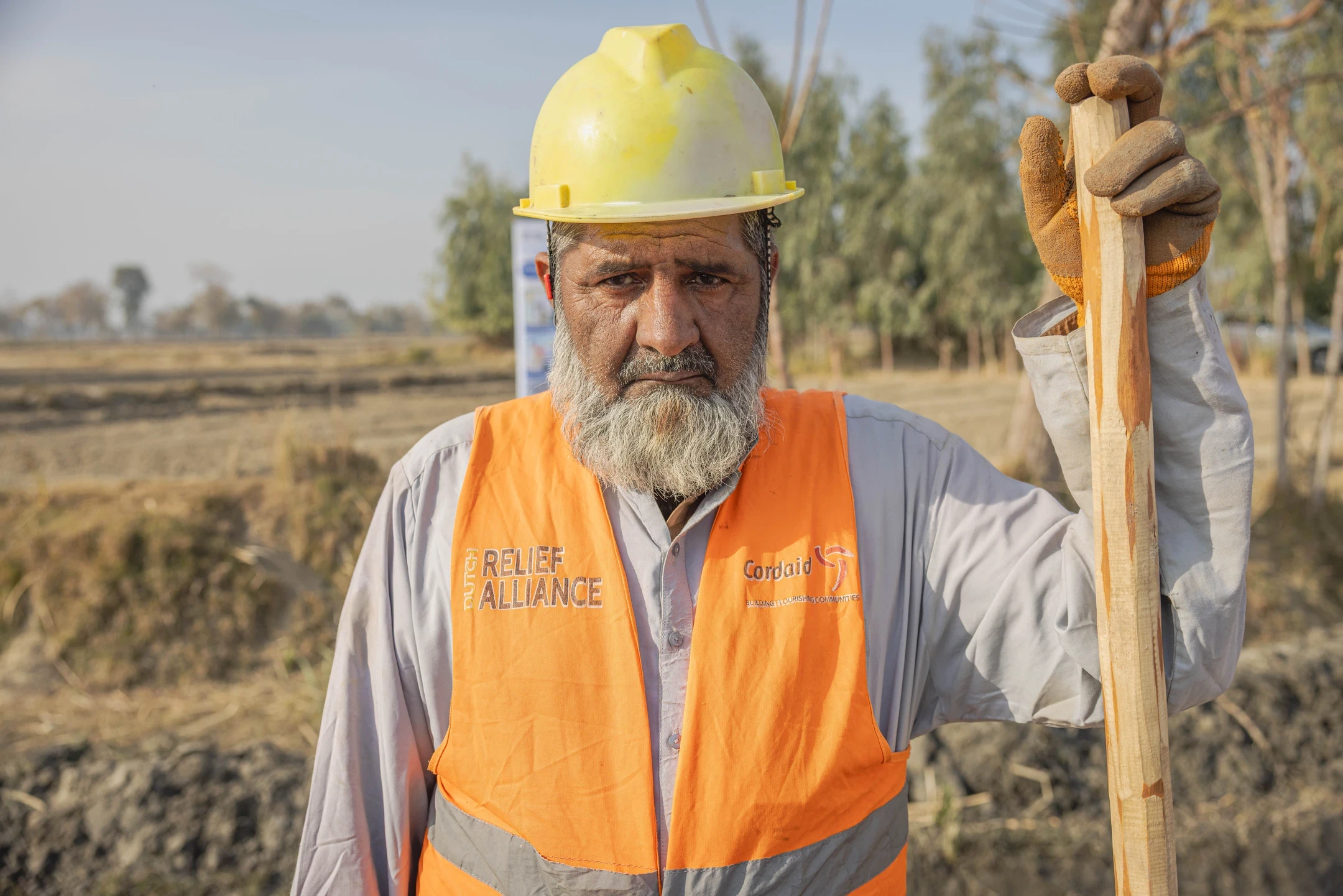
Cash-for-work is a key part of the Dutch Relief Alliance’s integrated response in Afghanistan. It provides immediate income through short-term job opportunities to vulnerable households while improving essential infrastructure. In Nangarhar, the project engages people in cleaning irrigation canals on multiple locations, that all together stretch across hundreds of kilometres.

Nangarhar is traditionally an agricultural heartland, known for crops like sugar cane, maize, and oranges and melon. The region is not only affected by drought but also by its proximity to the Pakistan border. Political and military tensions regularly disrupt trade. Border closures have stranded trucks for days, forcing drivers to sell perishable goods by the roadside at a loss. Armed groups and insecurity further complicate daily life and humanitarian access.
Chardai Village, Batikot District, Nangarhar Province
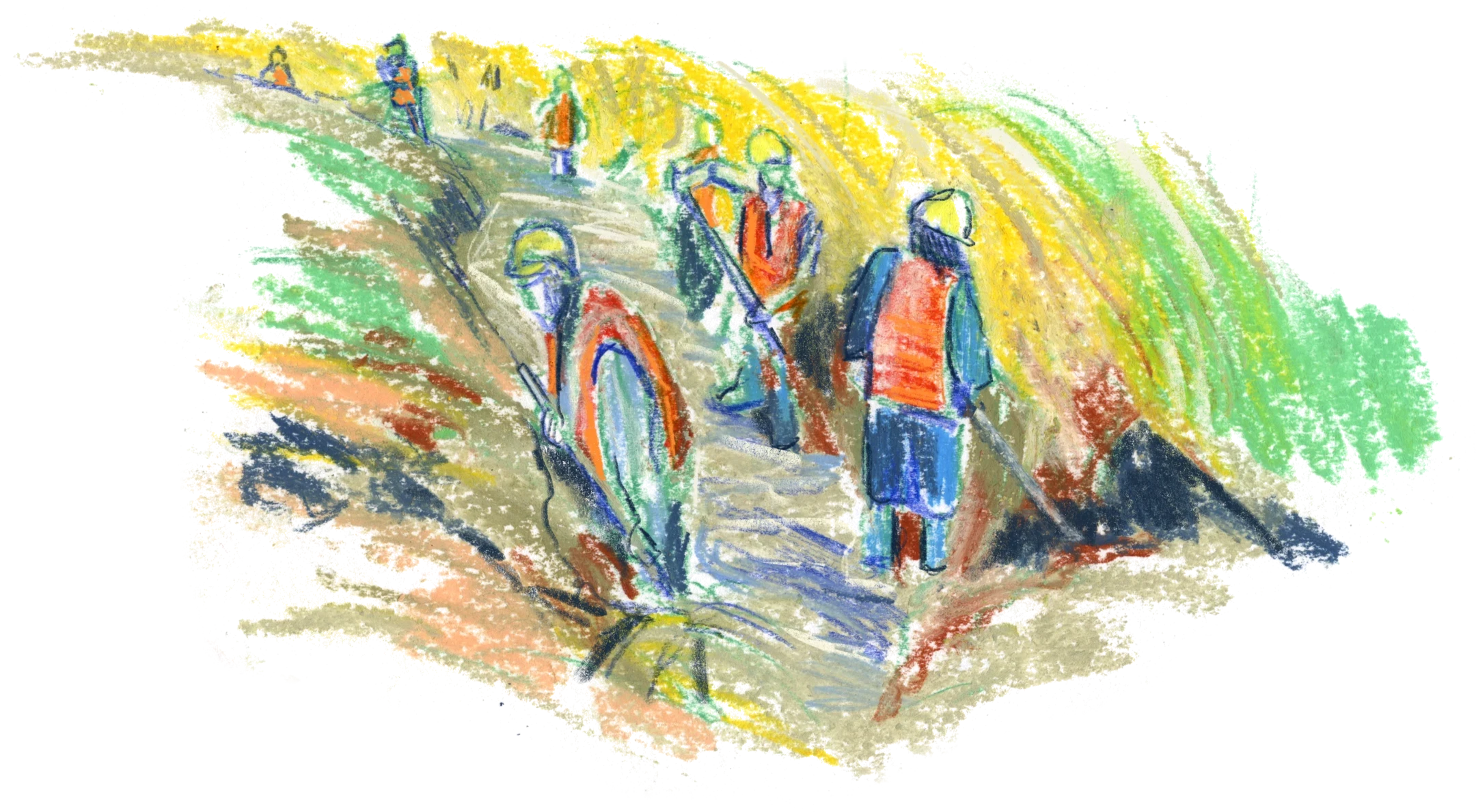
In Batikot District, Nangarhar, extreme heat and drought make efficient irrigation crucial. Fifty-year-old canals and the Duranta dam brought water and life decades ago, but today, silted canals and falling river levels threaten fields and livestock.
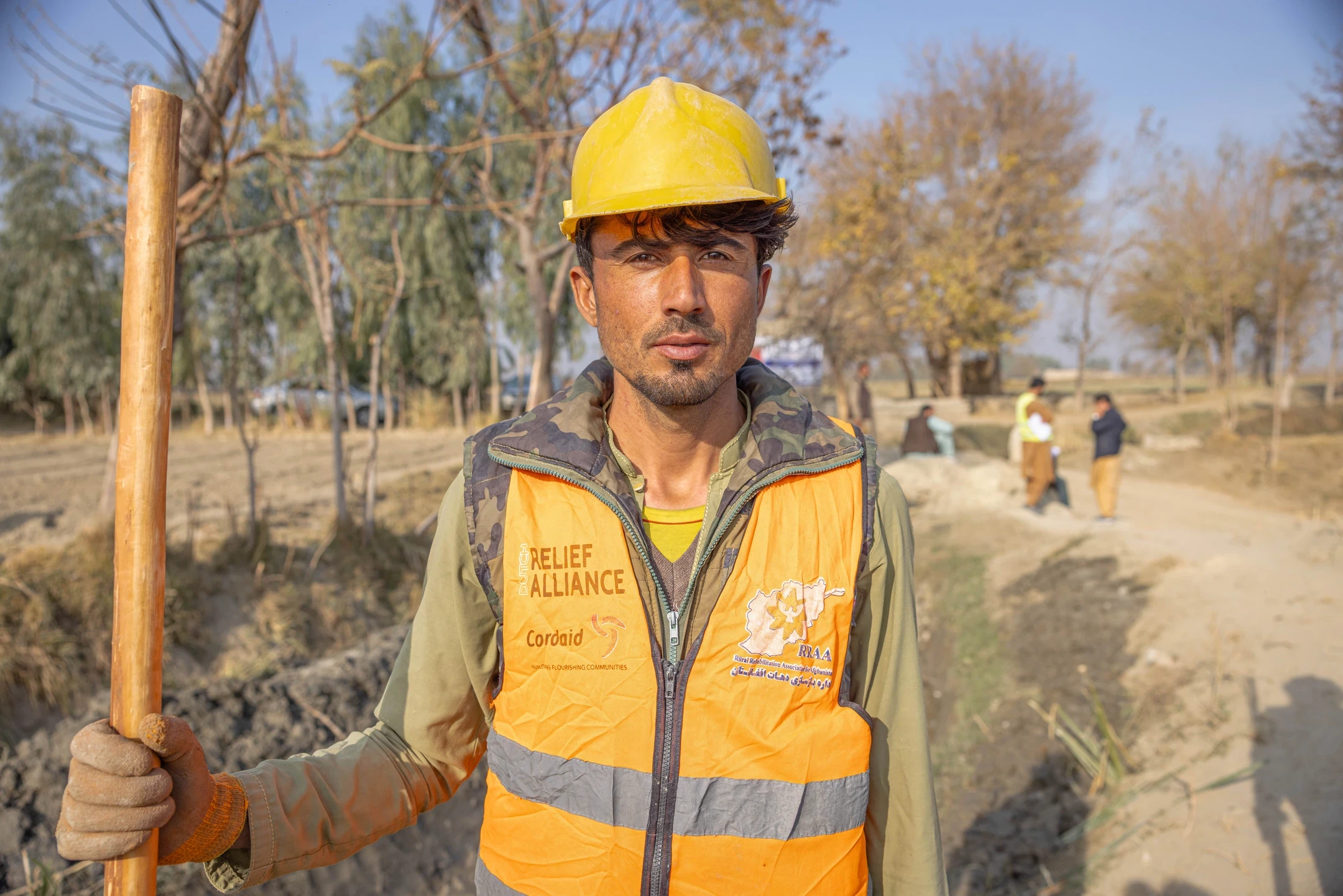
The Dutch Relief Alliance launched a cash-for-work project in Chardai, employing 150 men and nine women, selected for poverty, lack of employment, or little land. The women, all widows, provide food and water, while the men dredge an 8-kilometre stretch of the Barkaly River canal. Participants earn roughly €4 per day, providing income while sustaining water flow.
Over time, mud and vegetation block the flow, and without regular maintenance, river water cannot reach the agricultural land.
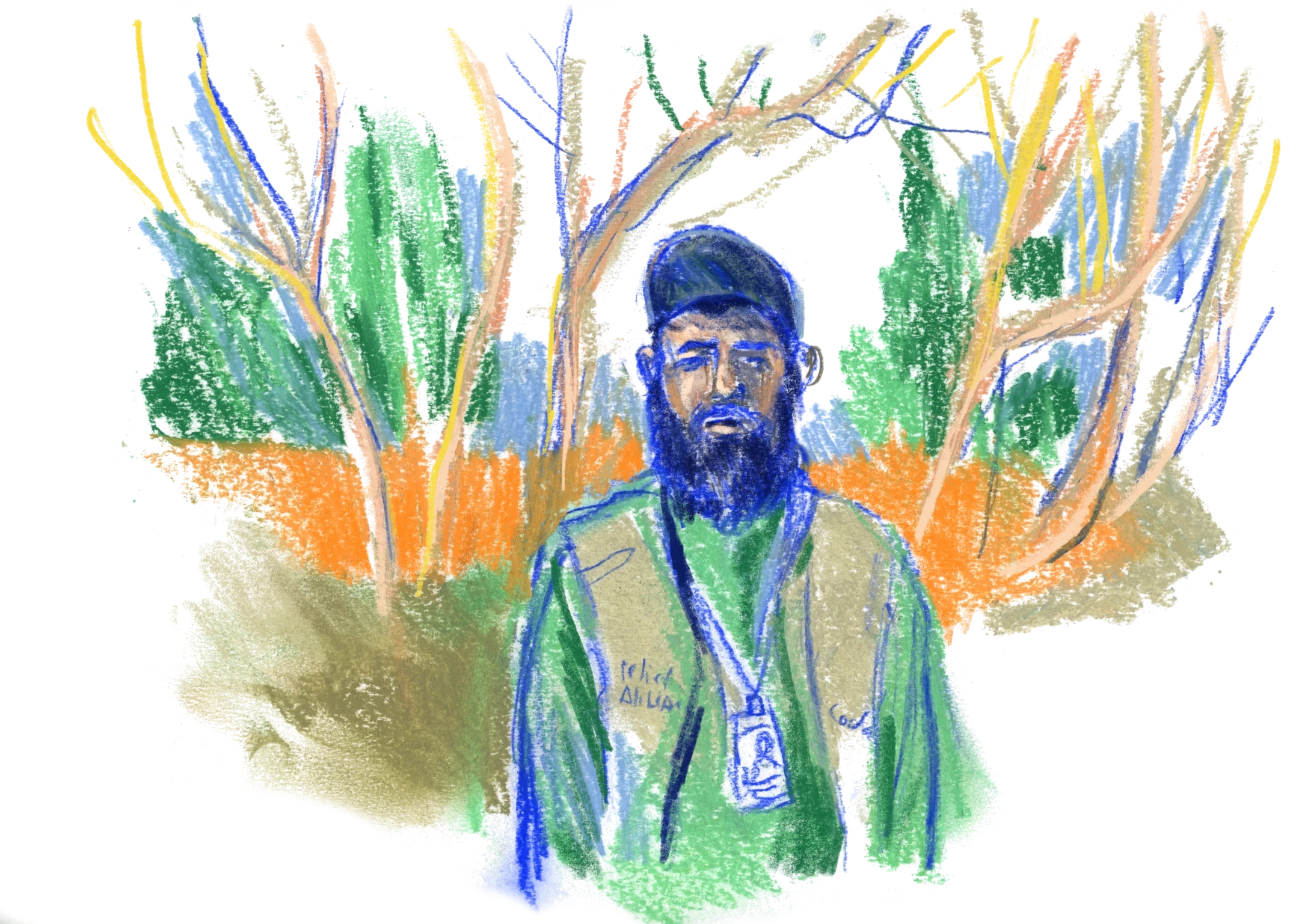
“These men started three days ago, working from seven in the morning until two in the afternoon, cleaning three kilometres of a 50-year-old canal. Water is everything here, for crops and animals. This work gives cash to families who urgently need it, but it also supports Chardai and neighbouring villages.
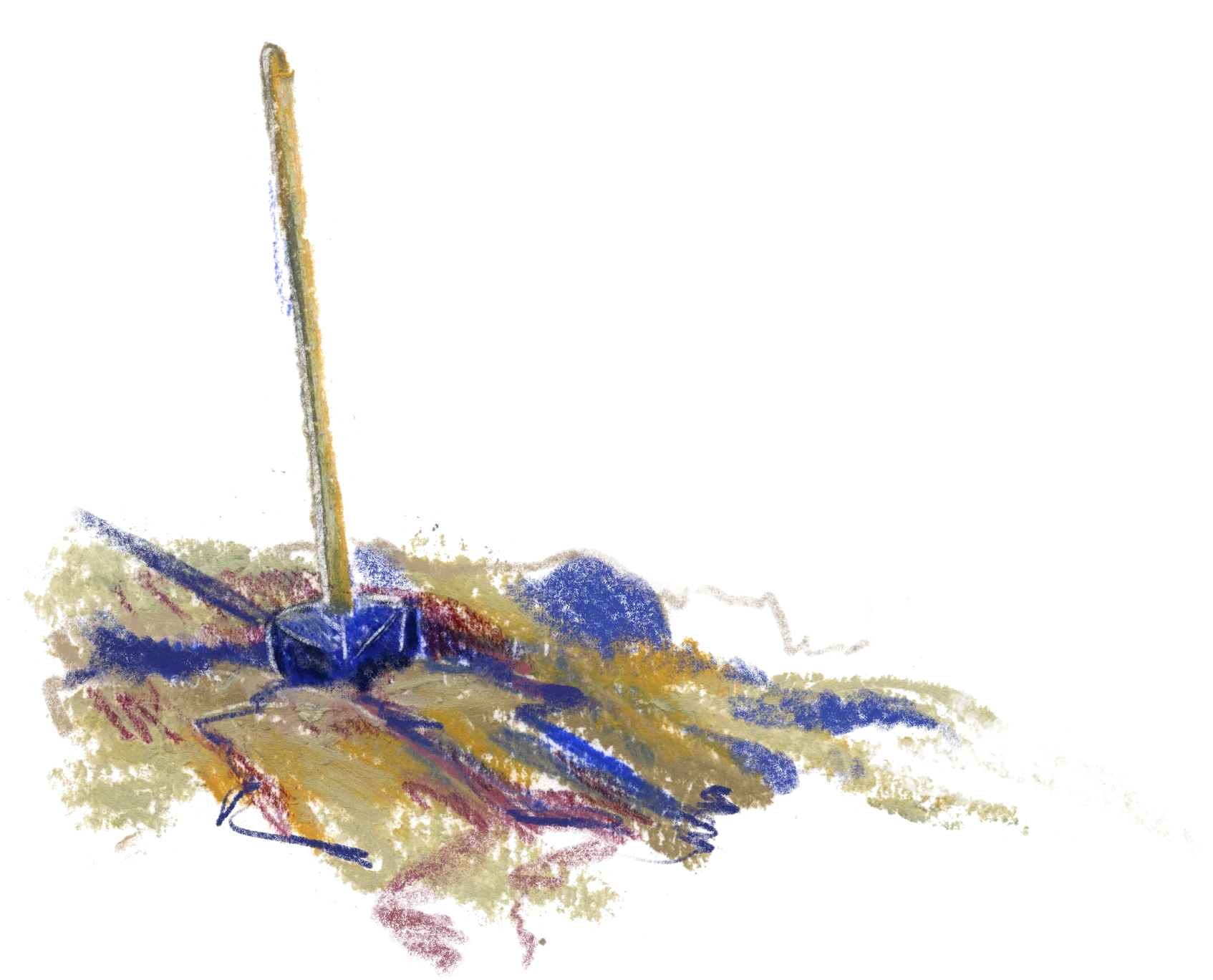
Water is everything here – for crops and for animals. Drought in this area can be extreme. People used to say, ‘If you want to die, go to Batikot.’ The canal changed that; it brought water and life. But it only works if the river feeds it.
Water levels are dropping. Boreholes that once reached water at ten metres now need to go down more than a hundred. This is climate change.
Without water, there is no agriculture. And without agriculture, people cannot stay.”
— Haj Muhammad Salihi
For Erfanullah (32) the work provides badly needed income.
“I was part of the military under the previous regime, so life was already complicated. I could not find a job. Three years ago, I went to Iran to work as a construction security officer, leaving my wife and four children behind. I fell from a second-floor building, breaking my arm and hand, and then I was arrested and deported back. Back home, we had no income. I sold our cow and my wife’s gold just to survive.”
— Erfanullah
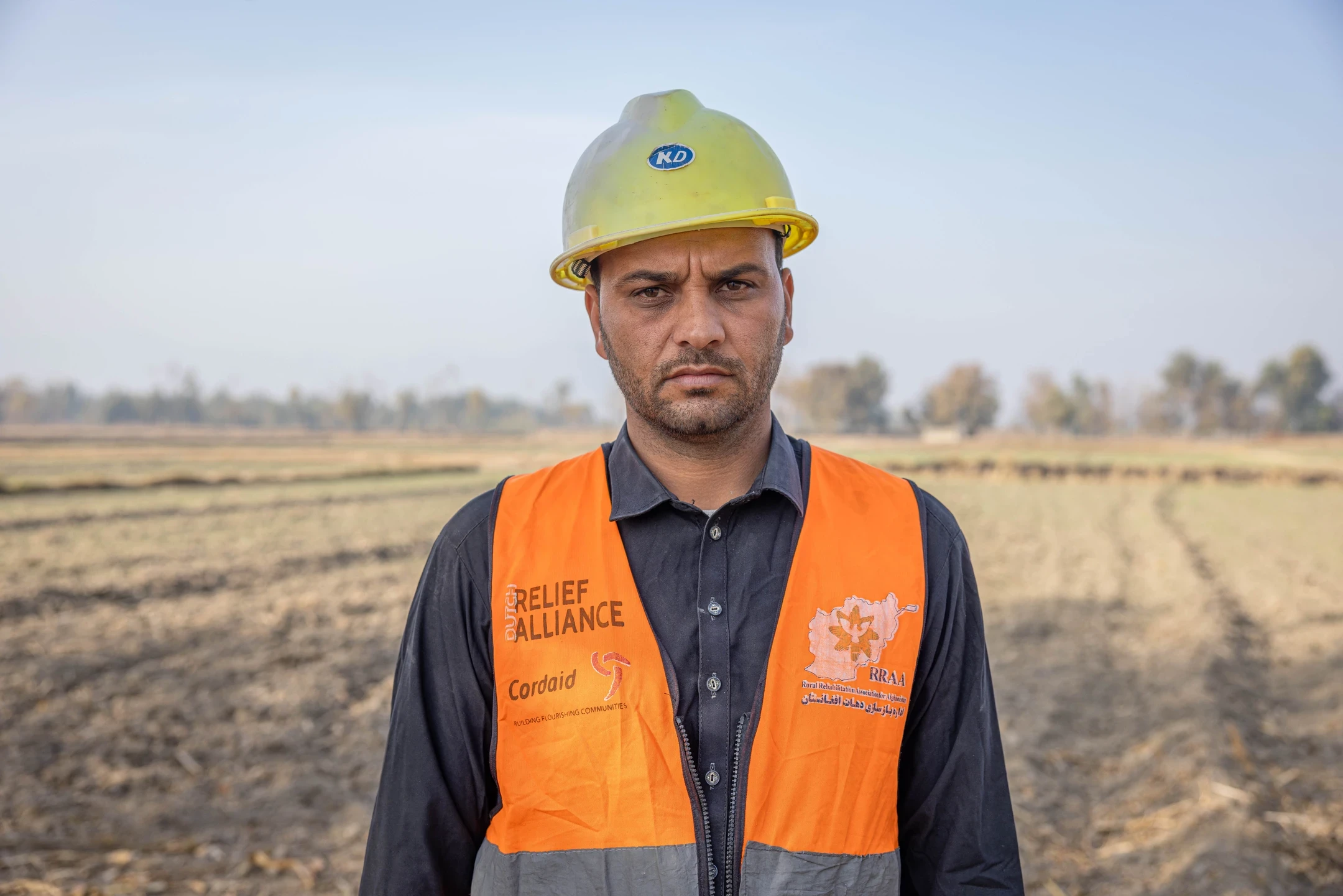

The wider impact of the canal cleaning project matters most to him.
“Draining the canal means a lot to me and my family. I earn money, yes, but what I really like is that it benefits thousands of families. Because it helps water reach the fields.”
— Erfanullah
Alongside immediate income and irrigation improvements, the Dutch Relief Alliance trains a 15-member village water committee to maintain the canal, ensuring the work continues to benefit the community.

Unconditional Cash Assistance
Not everyone is able to join cash-for-work activities. Some are elderly. Some are caring for children. Others are living with illness, injury, or displacement that makes daily labor impossible.
Alongside cash-for-work opportunities, the Afghanistan Joint Response also provides unconditional cash assistance to households and individuals who cannot participate in these activities. This support assists families in covering urgent needs such as food, medicine, rent, and transportation, giving them the flexibility to decide what matters most in moments of uncertainty.

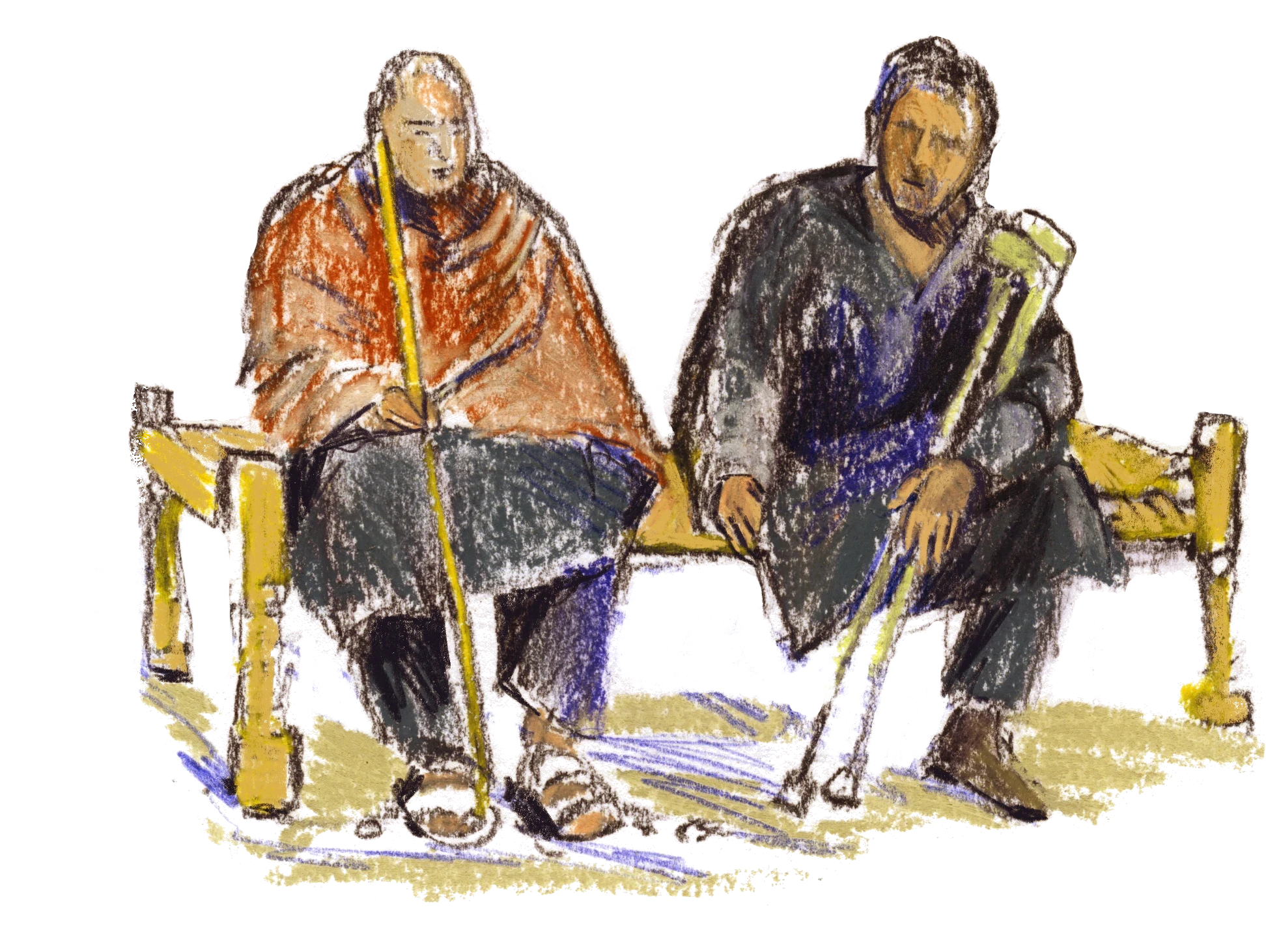
“When I was very young, me and my family had to leave this village for lack of water. We went to the city of Jalalabad and stayed there for 23 years. Four months ago, after the Dag village water scheme was constructed, the whole family came back here. The scheme was the main reason we came back here.”
— Allah Noor
“I haven’t got any regular source of income, I lost my leg when I was a soldier in the army. With this leg impairment it’s impossible to find work. With the cash support I received [from the Dutch Relief Alliance] I bought oil, sugar and clothing for my wife and kids.”
— Nazar Jan
The cash-for-work effort not only provides vulnerable families with temporary income but also significantly improves water flow to agricultural land and strengthened local irrigation systems. In a region where climate change and declining water levels have made water scarcity a pressing challenge for communities and agriculture alike, the canal cleaning activities offer a practical solution, supporting farmers in sustaining their livelihoods while easing the burden on households. The initiative has proven to be both a source of resilience and a lifeline for families facing economic and environmental pressures.
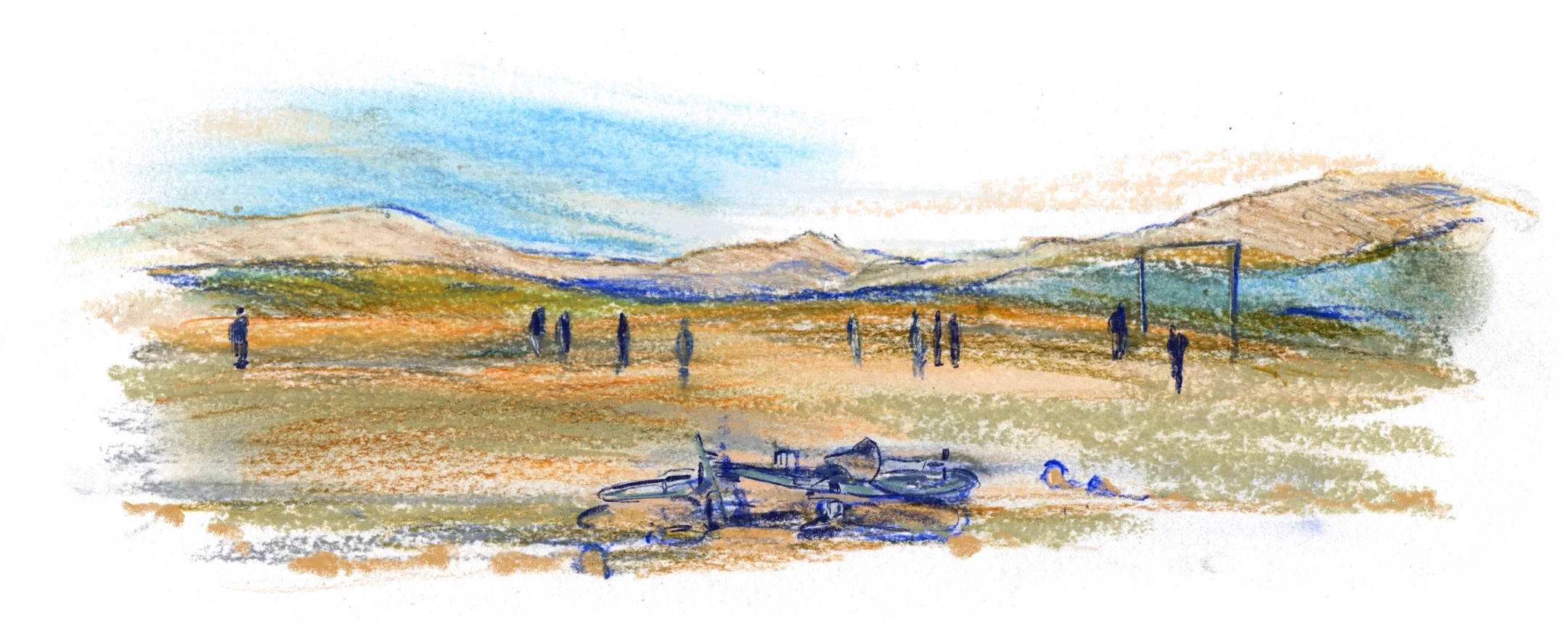
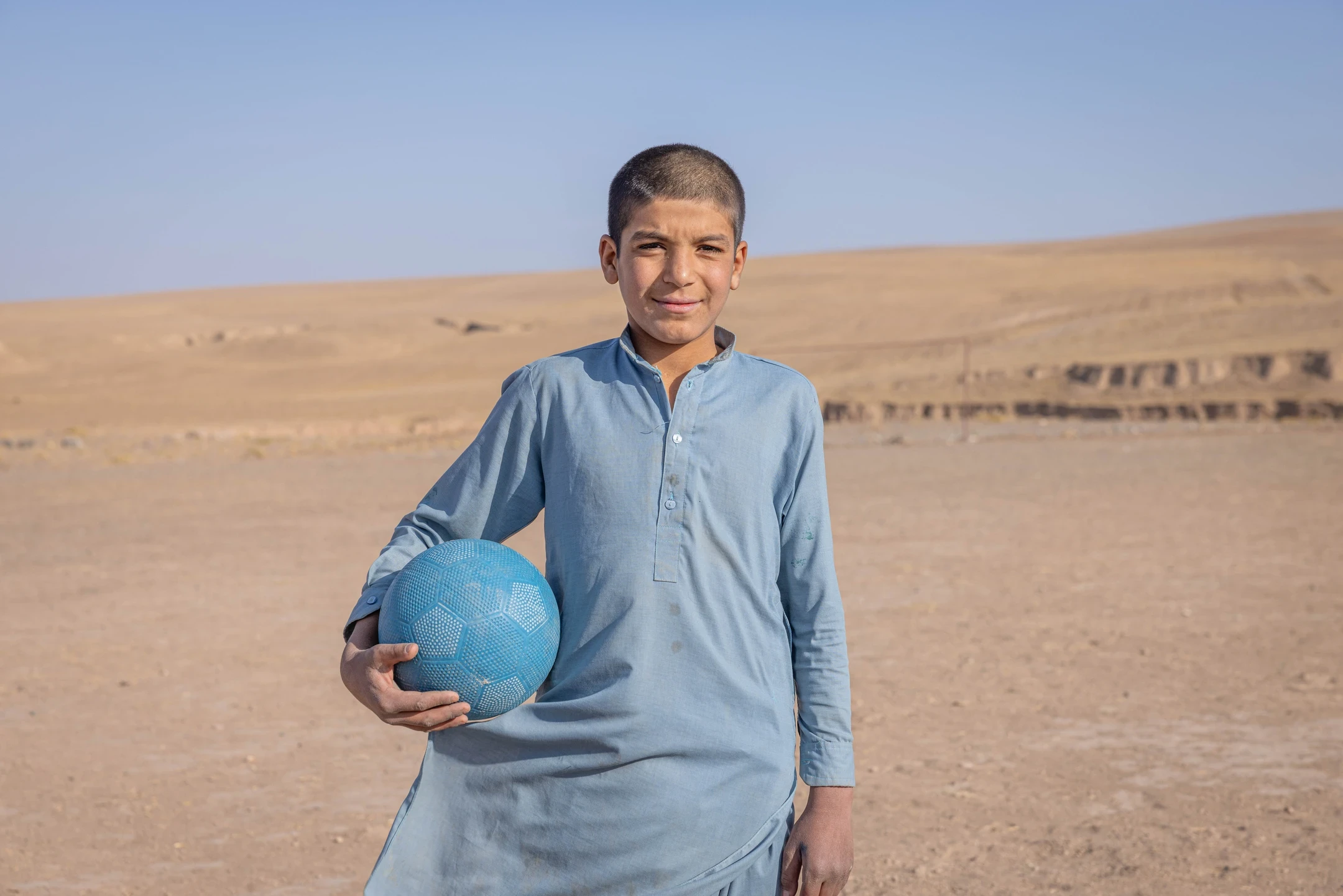
None of the interventions of the Dutch Relief Alliance offer easy solutions. Cash-for-work does not erase unemployment. Training cannot undo a collapsed economy. Health centres cannot cure poverty or climate change. But together, these programmes create anchors. They keep water flowing, care available, skills relevant, and income within reach.
Read the next chapter:
Agriculture