Vocational Training
Turning Skills into Livelihoods
With formal employment scarce, vocational training and income-generating support have become critical pathways to survival and dignity for youth and adults alike.
As part of its integrated response, the Dutch Relief Alliance provides vocational training and small business support in Nangarhar, focusing on local market needs in areas like tailoring and mobile phone repair.
In the past year, 600 young people completed training supported by the Dutch Relief Alliance, 420 as tailors, 180 in phone repair, selected for poverty, child labour, or family responsibilities, with support to start businesses or find work.

Batikot District, Nangarhar Province
In Batikot District, the Dutch Relief Alliance has supported small income-generating activities, assisting women and men set up or improve their businesses. For young women, vocational training carries even greater significance. With secondary and higher education now banned, these vocational centres are among the few remaining pathways for learning, skills development, and economic independence.
Women primarily focus on tailoring, running their workshops at home due to local restrictions. The support provides tools, materials and equipment, allowing participants to start a business or expand their work and earn an income in a context where opportunities are scarce.
Zakia (35) runs a home-based tailoring business in Batikot. In the shade of her compound, she has set up a working space under a small roof. With support from the Dutch Relief Alliance, including tools, fabric and sewing machines, she has expanded her clientele.
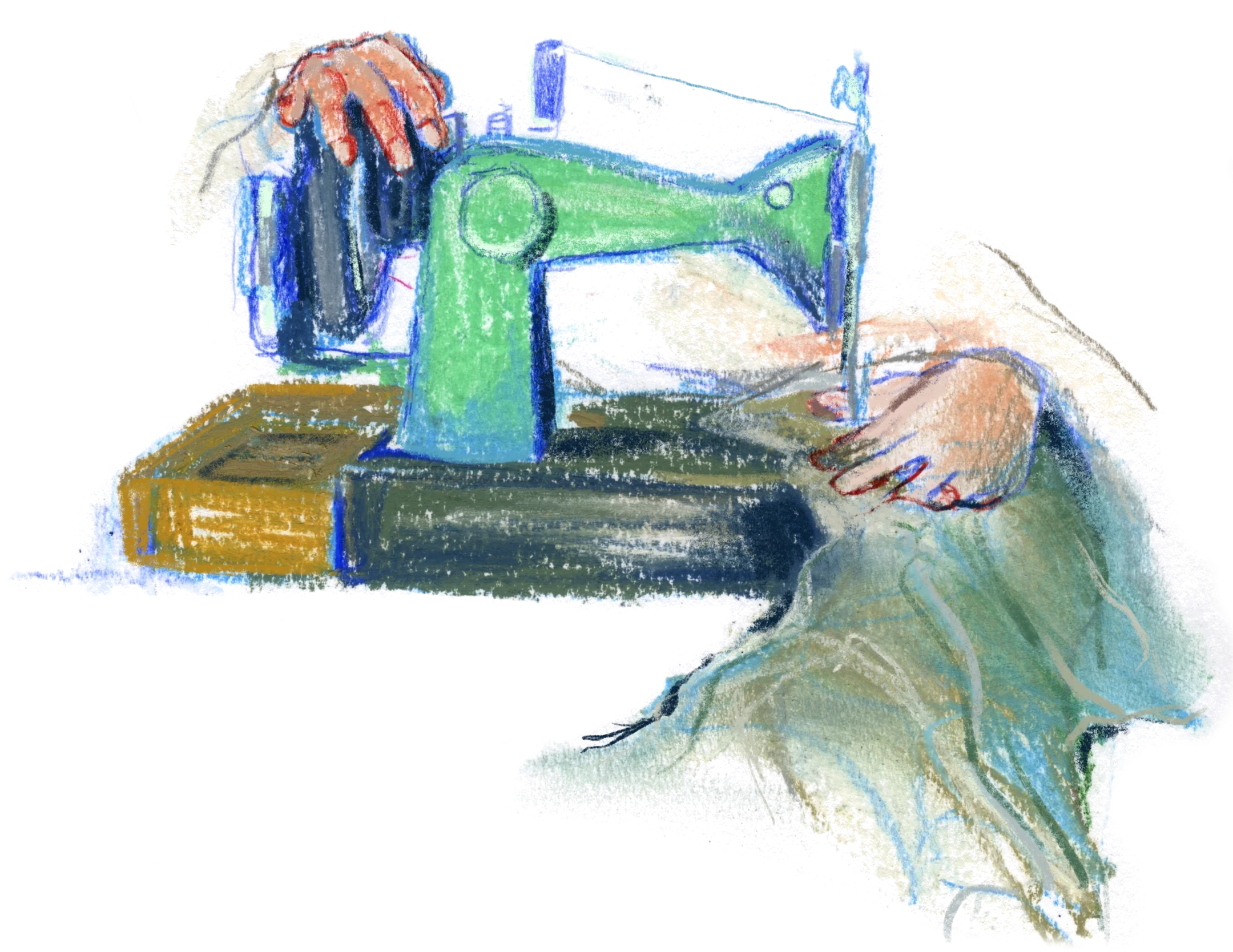
“I used to sew only for a few people. Now I serve two to four clients a day, even from other villages. More than 20 girls have asked to learn from me. My dream is a real shop and a sewing school for girls.”
— Zakia
Momandara District, Nangarhar Province
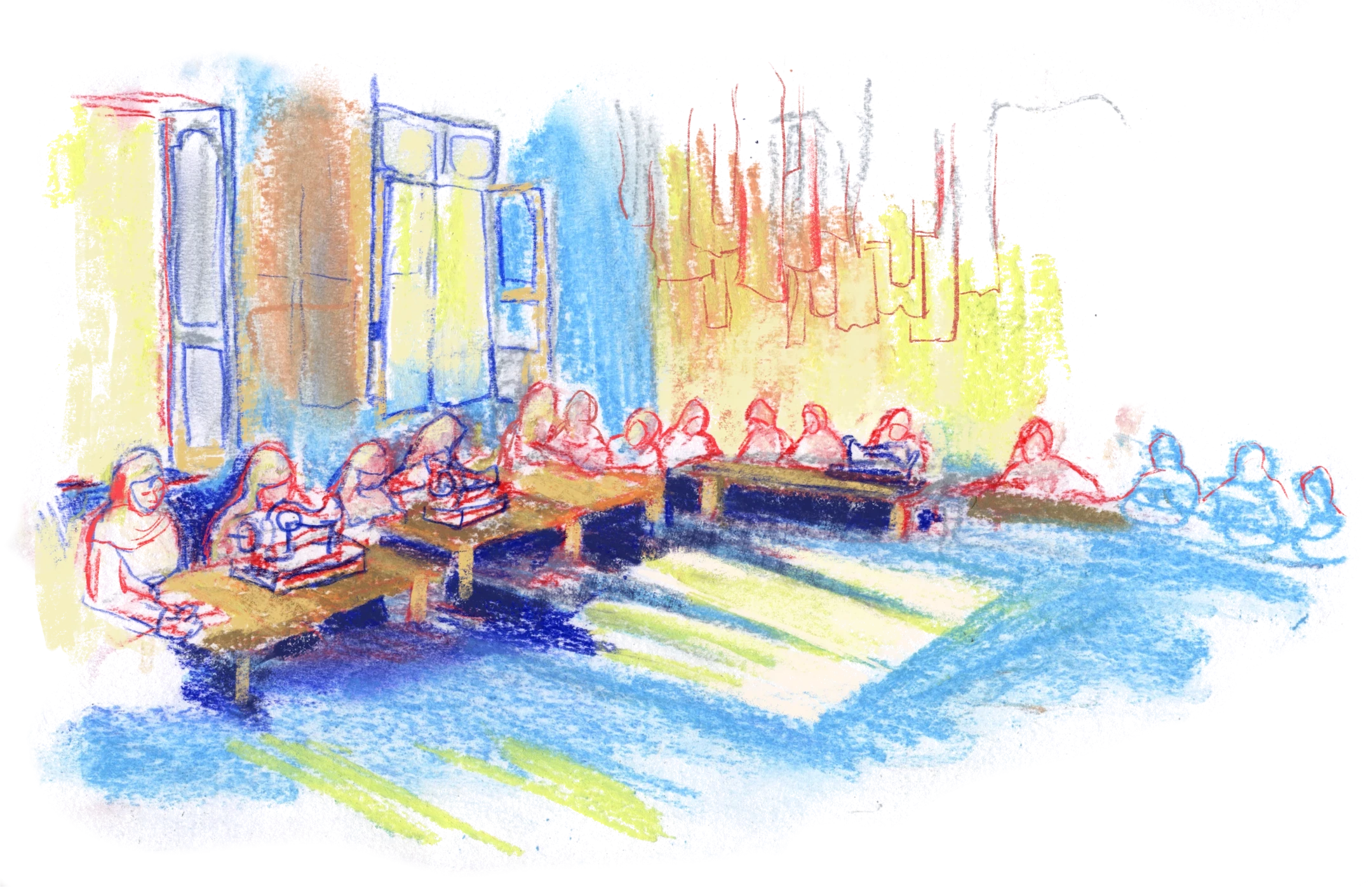
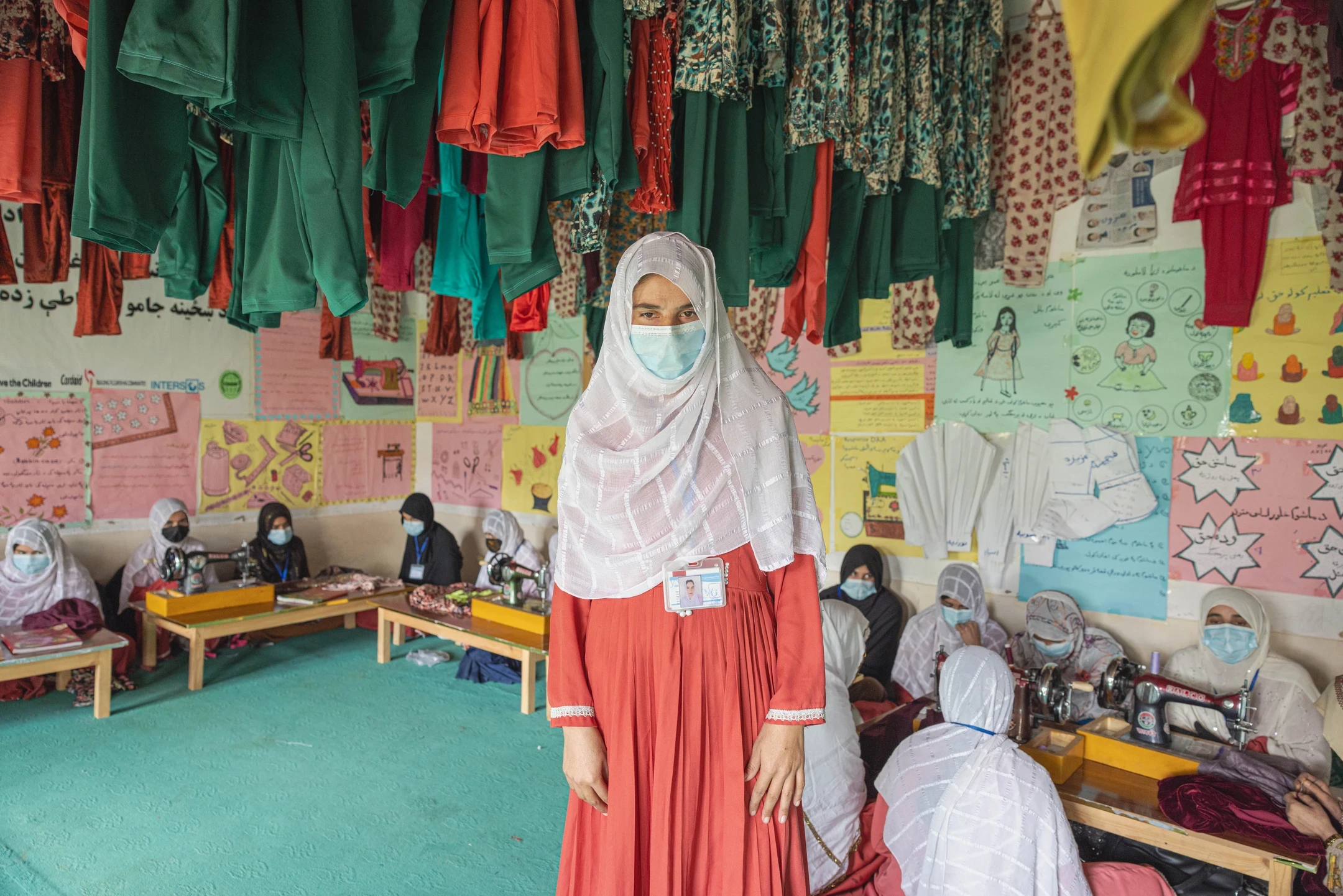
In Momandara District, around 30 women aged 16–22 attend a tailoring centre supported by the Dutch Relief Alliance. Access to a professional skill assists them in reducing risks of early marriage and dependence, offering a small measure of autonomy.
Alongside vocational training, the Dutch Relief Alliance also supports small income-generating businesses, particularly for women whose mobility and work opportunities are restricted.


Zarkhawi market, Batikot District, Nangarhar Province
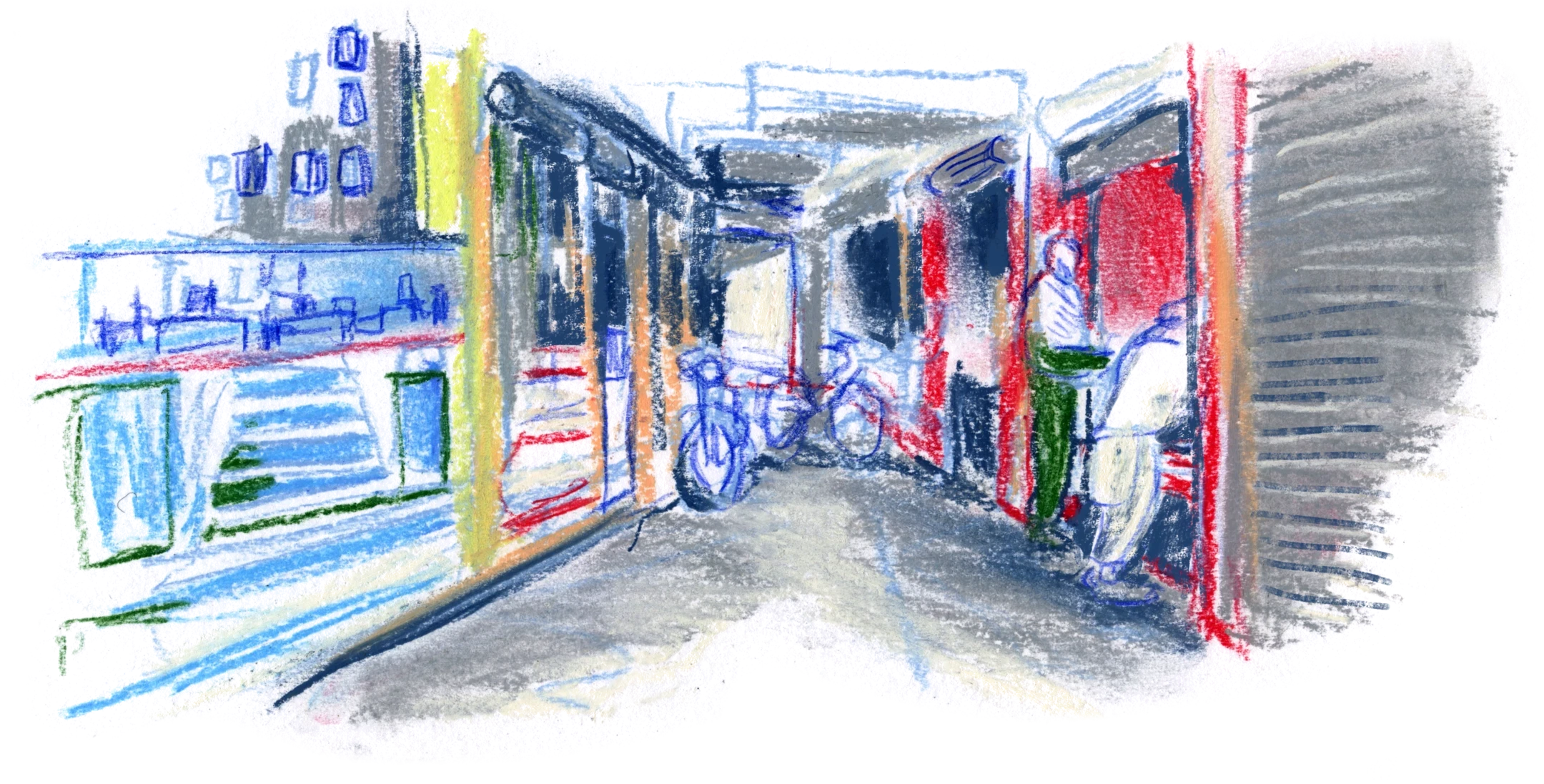
After six months of training, Javid (22) now runs his own mobile phone repair shop.
“Before the training, a phone screen felt like a black hole. I didn’t know anything. Now I repair around 35 phones a week. I earn about 200 dollars a month and support my parents and siblings. For the first time, I’m not a daily worker. I’m a professional with my own shop. I feel respected in my community.”
— Javid
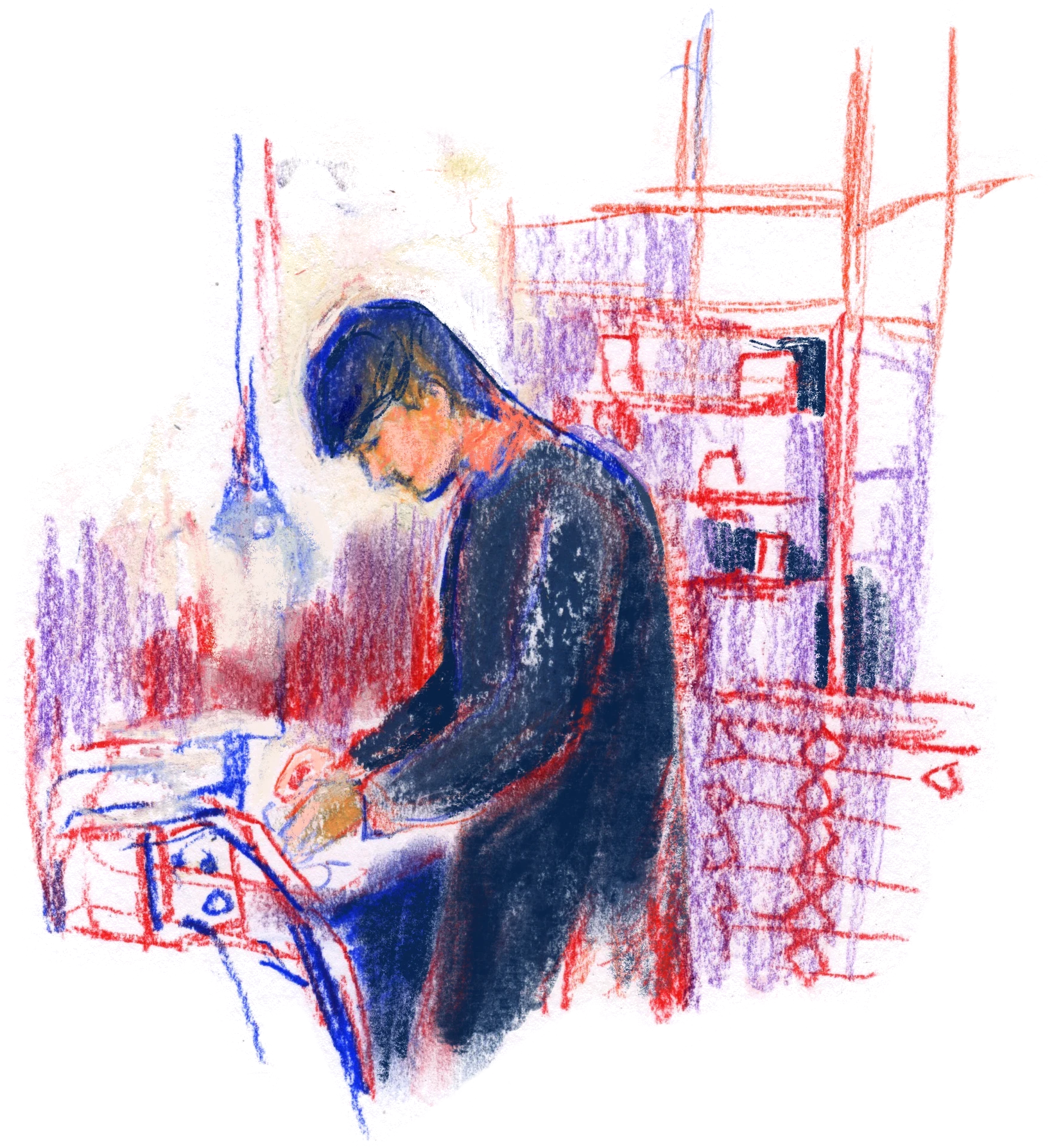
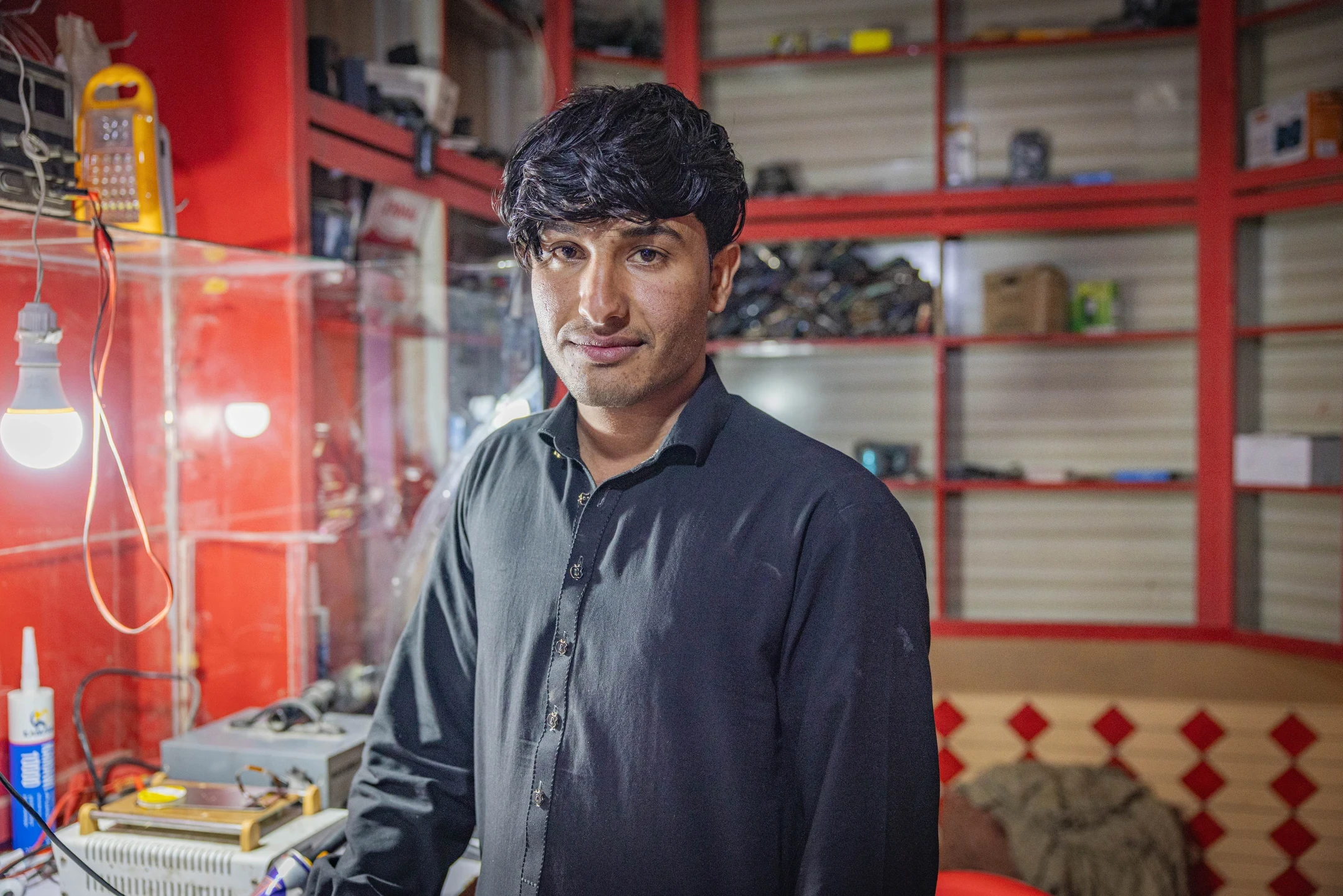
Javid is one of 600 young men and women in Nangarhar who took part in vocational training programmes supported by the Dutch Relief Alliance. Of these, 420 were trained as tailors and 180 young men as mobile phone repair professionals. The programme not only provides practical skills but also helps match graduates with market opportunities.
Momandara District, Nangarhar Province
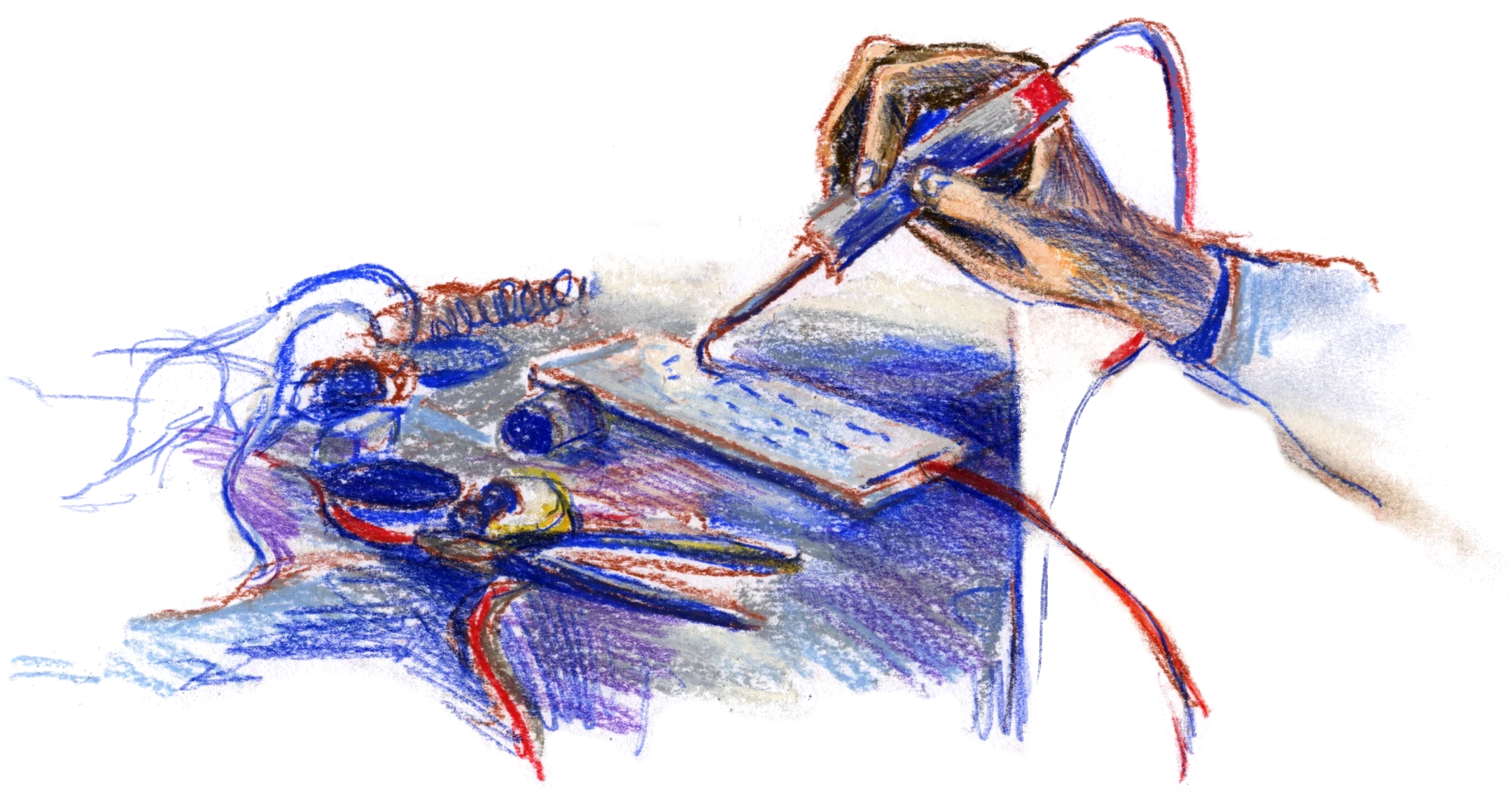
In Momandara District, Nangarhar, the Dutch Relief Alliance supports a vocational training centre for mobile phone repair. It is one of seven such centres in the province, where 420 young Afghans have completed training in 2024–2025.
Trainees are carefully selected based on poverty indicators, child labour involvement, or family responsibilities. Dutch Relief Alliance member organisations also assess local market demand, ensuring that graduates have viable employment opportunities, and later assist them in connecting with shops or starting new businesses.
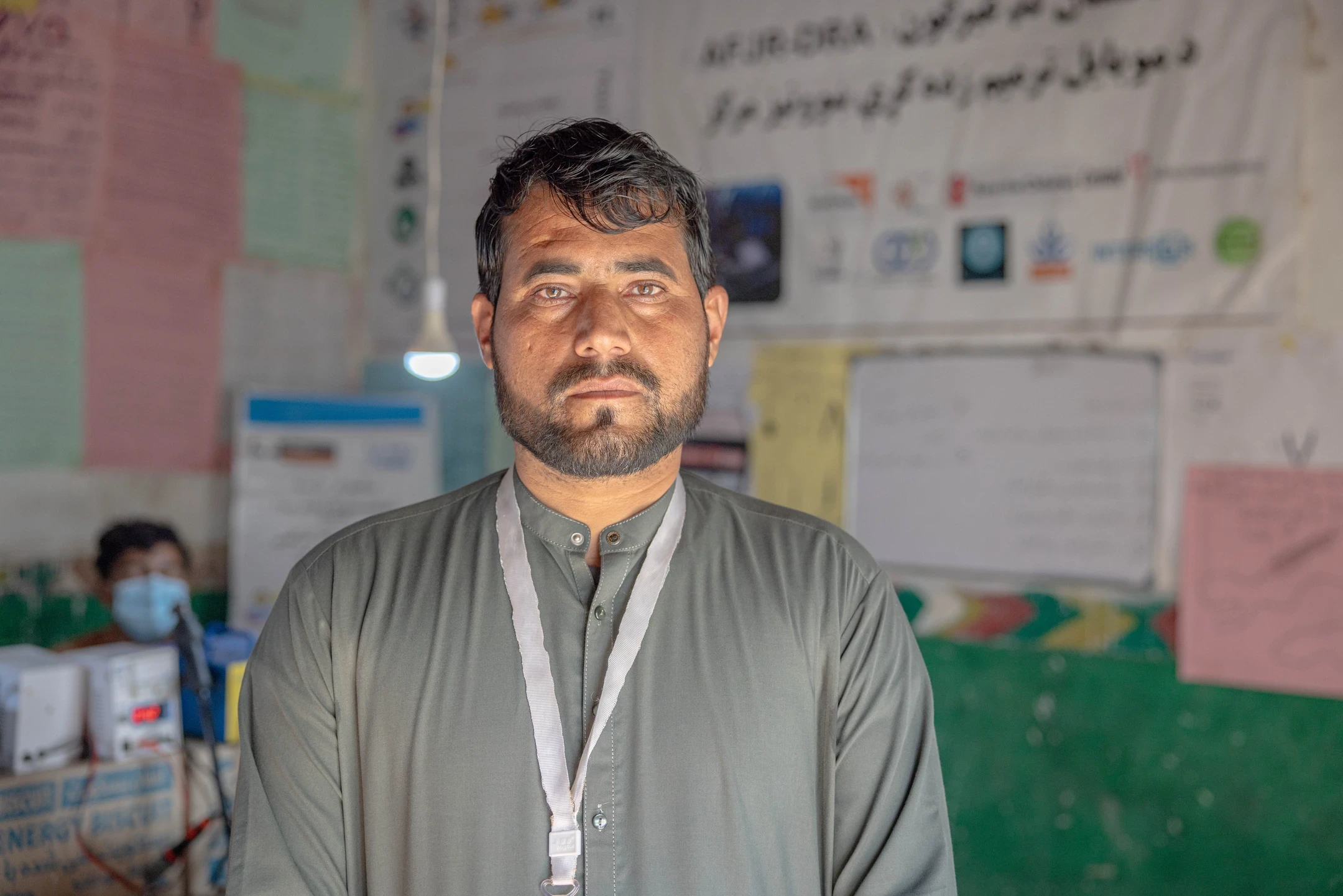
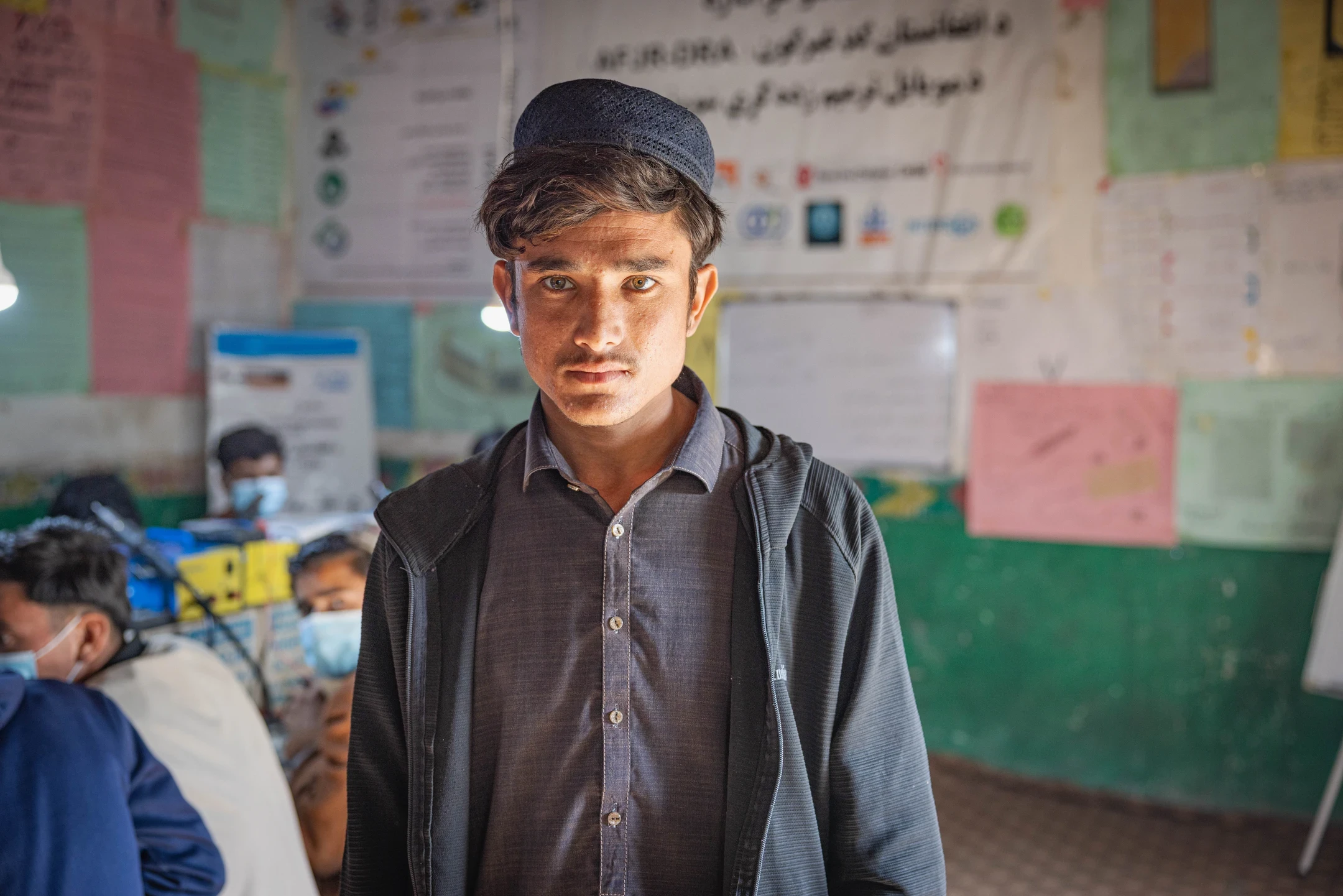
For Enaytullah (16) vocational training offered a way out of child labour. From age 14, he worked as a porter in a border town and had to leave school.
He wants to open a shop one day and has already spotted two suitable market locations. With his degree, the professional toolkit, and continued support from the project staff, he hopes to start soon.
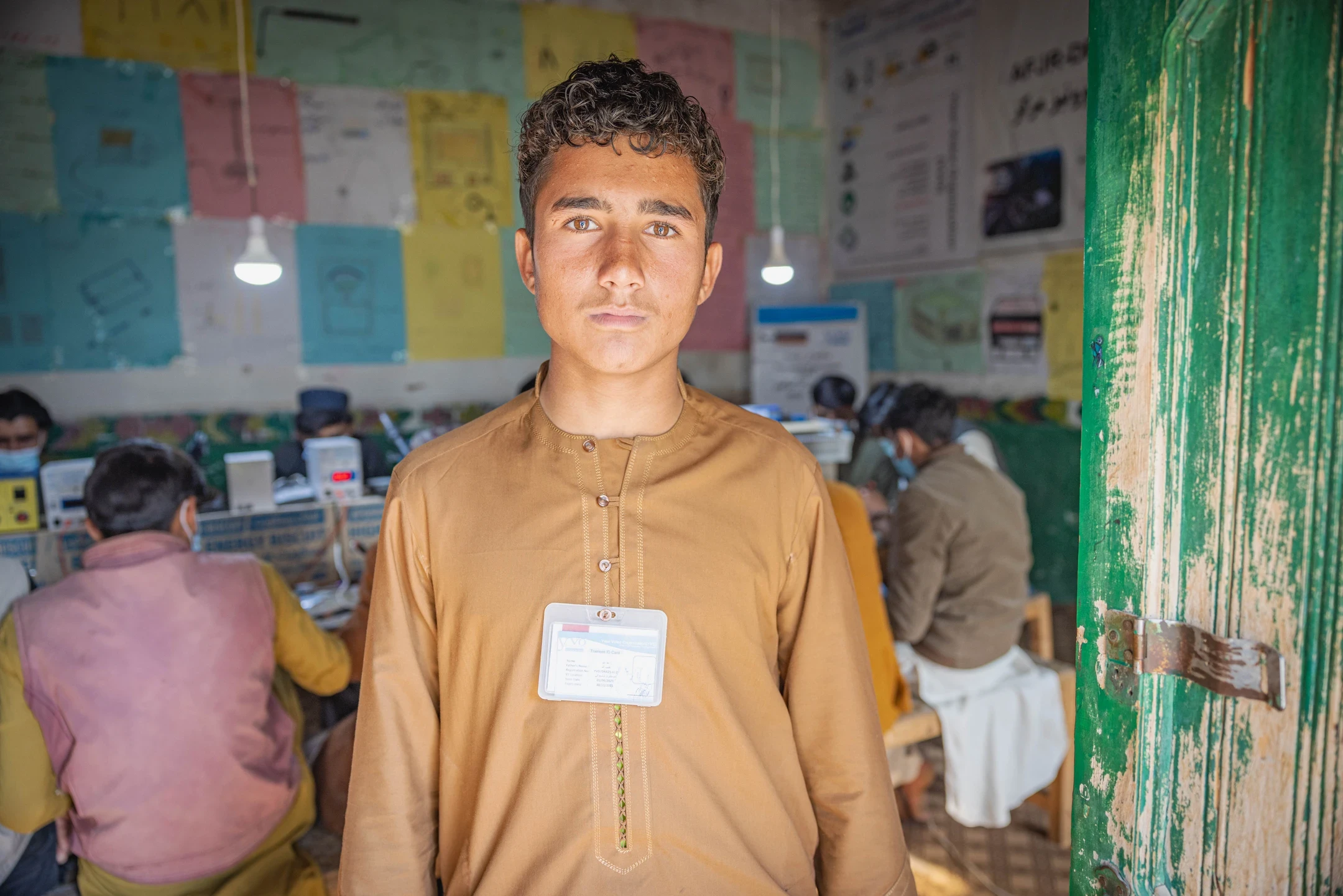
“One day, village elders told me about this vocational training. They said it was a great opportunity, so I signed up. It has changed my life. Today, I can repair any mobile phone. Changing the central processing unit or the AC? No problem! Before, I was nobody. Now, I am someone. This training has been the most meaningful thing that has happened in my life.”
— Enaytullah
Another trainee, who also goes by the name of Enaytullah, recalls working all kinds of jobs before a friend told him about the training opportunity. He is excited to teach others to repair mobile phones in the future.

Vocational training and income-generating support empowers individuals to become tailors, carpenters, ironworkers, and barbers. Each supported worker went on to train three to five new trainees, multiplying the benefits across their communities. Today, these people are earning their own income, supporting their families with dignity, and inspiring others to follow their path.
Together, vocational training and income-generating support show how the response of the Dutch Relief Alliance goes beyond short-term assistance. By combining skills training, market access, and start-up support, these programmes assist Afghans not only in coping with crisis, but also in rebuilding livelihoods.
Read the next chapter:
Cash-for-work